Final Planes Post: The Decal Monster

I’ve been painting planes a long time.  Lots of planes-well, I guess it’s all relative, but probably 150 or so. Painting is painting.  You do some research on paint schemes or camouflage and you paint yet.  Yes the planes are small, so you include as much detail as you want to add.

And then you add the markings. There is no easy way to say this, so I’ll just be honest: Marking 1/300 planes with tiny decals is a time consuming pain in the ass. But if you want to finish off your miniatures you have to do it.

I understand there are other types of markings out there, but I use the traditional waterslide decals we all used when we were building our model airplanes back in the day.  Those are the kind you cut off a sheet of markings, put in water and hopefully slid them off on to the model where you wanted them.  Same general idea with 1/300 planes, they’re just much smaller.

There are a couple of different suppliers of markings for your teeny-tiny planes.  Dom’s Decals is located in Britain, and he seems to have lots of different nationalities covered.  1/600 too if you’re looking for those. I haven’t ordered from him, but I hear they are good.  I’ve used the markings from I-94 for years, and I am generally quite pleased with the quality and range of decals and the service is very good. .

A couple of quick things about decals.  They are generally cheap. $3.00 can put decals on about six planes, maybe more. The newer they are, the easier they are to work with.  I’m not a pack rat, so generally I don’t keep paint or other such ephemera around forever. But for whatever reason, probably because they don’t take up much space, I keep decals forever.  Older decals take longer to “soak ‘n slide,” and they are also more brittle, meaning they tear more easily.

I recommend a few different items to have to help you with your decals

  • embroidery or floss scissors OR a super sharp #1 Exacto knife, preferably with a new blade
  • a small bowl of clean water
  • pair of tweezers with bent nose if possible
  • decal setting solution
  • paper towel or something to blot with
  • size 1 paint brush handle OR fairly small fingers.

I am going to relate a story in which everything is a bit of a struggle, and ends with fairly mixed results, and another in which everything goes fairly according to plan.
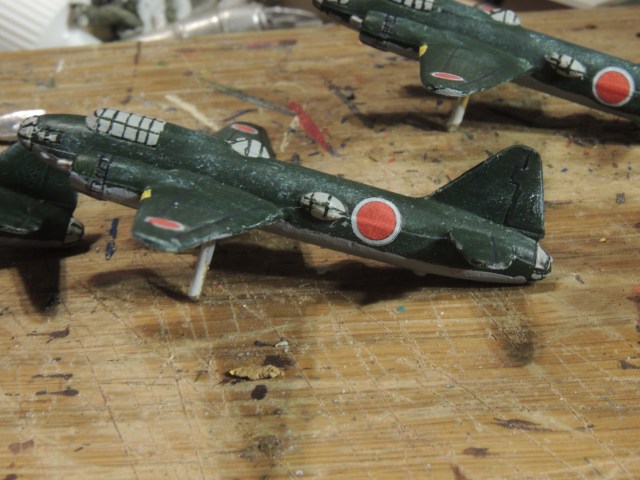
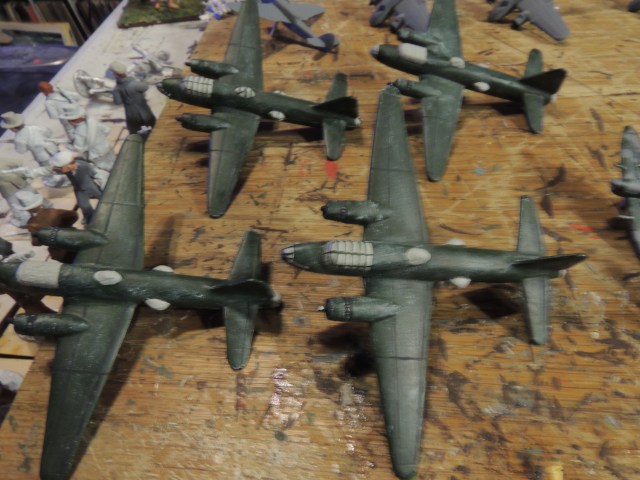
DSCN1415

Glimpse of the Betty with the large fuselage Hinomaru marking. These were older, but went on fairly easy and in one piece.
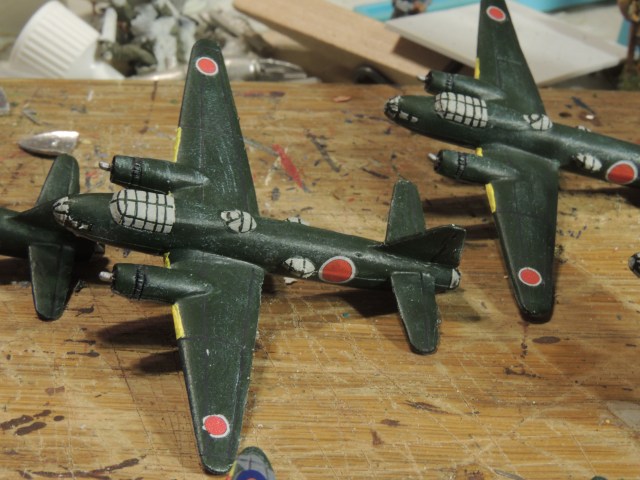
DSCN1417

Same plane with smaller Hinomaru for the wing.  Again, aging decal came a bit to pieces as I was putting them on the miniature.

To be clear, I have had twenty planes to paint and apply markings to.  I’m going to focus on the Scotia Bettys, a medium bomber of good size in this scale.  I have some aged markings.  I wanted to use the hinomaru with border because it shows up well against the dark green color. I have no idea where the decals came from or who made them, but I’ve used them before.  Let me take you through my steps:

  1. I use floss scissors to cut out the decal.  You can use an Exacto knife.  The key is to get as close to the decal as possible without actually damaging the transfer.
  2. Drop the decal in the water.  You can hold it with tweezers, but that seems like a poor use of time.
  3. After about ten seconds, your decal should be ready to slide off on to your surface.  UNLESS your decal is really old like my old hinomarus and then it will take MUCH longer.
  4. Prepare your surface by putting some setting solution.  This is a mild adhesive that also softens the decal.
  5. Slide the decal where you want it, which is almost a sloppy version of herding cats.  Use your brush handle or small fingers (like mine) to make it go where you want.  If it sticks where you don’t want it, wet it again, push it with the handle or finger while using extremely gentle, pleading language.  That always works for me. Profanity always results in a torn decal.
  6. Blot with paper towel, tissue, t-shirt or other absorbent material
  7. Paint on another helping of setting solution.
  8. When all markings are applied, spray with a thin coat of Dullcoat. This is a solvent and will dissolve your decals if you are not judicious.  DO NOT hand paint decals with Dullcoat. Trust me: It would be bad.

I had to put marking on my Betty bombers.  While the planes were pretty easy to paint, the markings were pretty difficult. The problem I ran into was the age and quality of the Japanese markings I’d been hanging on to. It took a long time to pry the transfers loose from their backing paper. And some of the decals just came to pieces.   The white border of the red meatball, in some cases, kind of dissolved and so did at least one of the smaller wing markings.  If I was to do this again I would order some different markings. The larger fuselage markings seemed to work just fine.
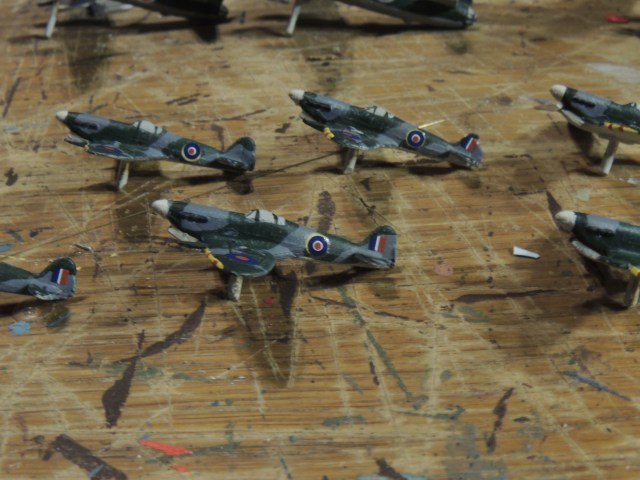
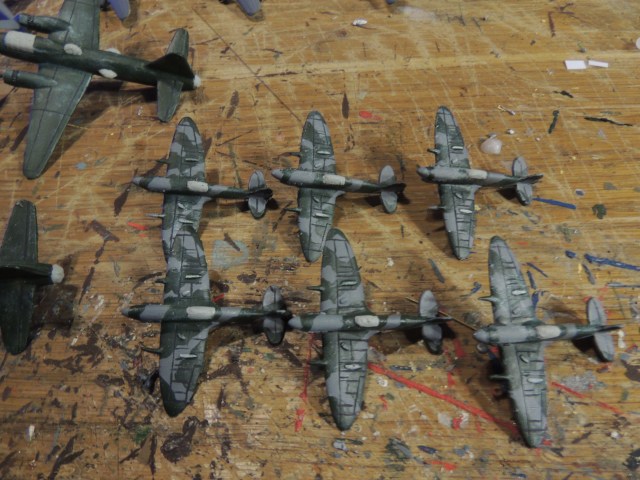
DSCN1414

Lots more to do with the Spitfires.  But with fresher decals the entire job was much easier.  The fuselage roundels were two parters with the yellow surrounds going on first followed by the tri-color markings.  Be sure to set the yellow down first, add setting, spray with Dullcoat, let dry thoroughly before attempting the tri-color. As you can see they aren’t perfect, but this picture is much larger than the actual plane.

I had more success with the British markings for my Spitfire Mk. V’s.  The decals were hot off the press and that is good for a couple of reasons. First, I-94 has re-done the WWII British markings. The colors are more easily seen against a dark background.  There is a great variety of sizes for roundels, and many more choices of tail flashes. But the chief advantage is the speed the transfers are ready to “soak ‘n slide.” Ten seconds tops. They were very easy to work with.

Some I-94 marking some in two pieces.  The two British packs each contain separate decals for the red, white and blue roundel with the encircling yellow stripe. The same is true of early American marking with the red dot.  There is a bit of a trick to doing these.  In the case of the Brits, do all your other marking-wing roundels, tail flashes, and the yellow background circle.  Use your decal setter and then spray with Dullcoat.  Don’t try to layer the second decal on top of the first roundel without spraying and allowing to dry. You run the risk of dislodging the first decal and having to start over again.

I’ll do one more look at my planes when they are all completed.
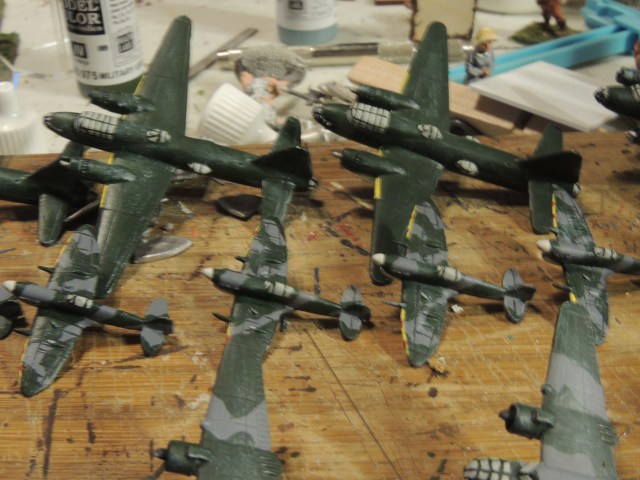
It may not be Boeing . . .

DSCN1413

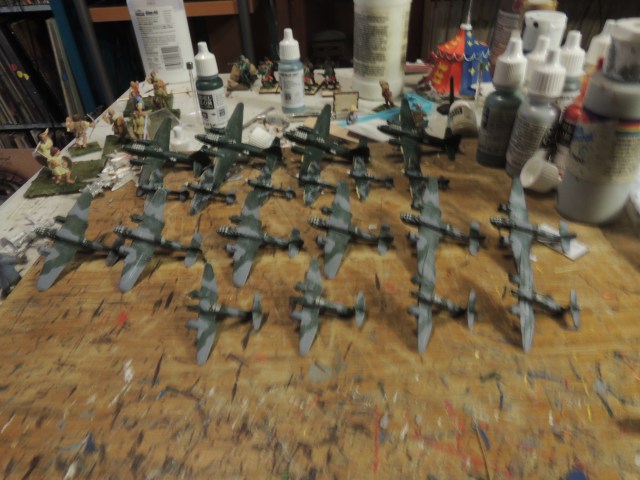
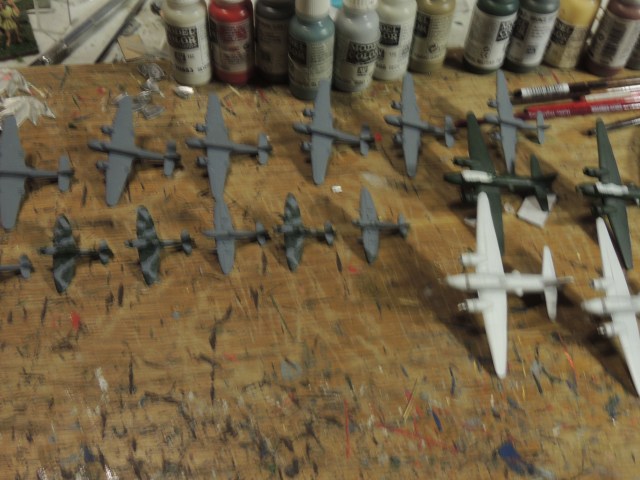
Bettys and Spitfires waiting for their markings.

One more look at the planes under construction in the Smyth production line. In the back are the Spitfires and Bettys.  They are finished now except for decals. More about this later.

DSCN1411

The Smyth production line with Whirlwinds in front and Beauforts in the second row.  Still a bit to go on those ten planes.

Those in front are the Beauforts and Whirlwinds. The Bristol Beaufort was designed with a view of becoming the standard torpedo bomber for RAF Coastal Command. Unfortunately, it’s performance wasn’t quite up to snuff, and it was replaced by the more robust and pugnacious Beaufighter. However, the Aussies really did like the Beaufort, and it was produced under license to become the standard torpedo bomber for the RNAF.

The Whirlwind just looks so cool.  A bit like an under-nourished Mosquito, but not as successful.  Only a handful of these were produced, but were on hand for the Channel Dash.

All the British planes are dressed in the late 1941 gray and green camo.  The Beauforts and Whirlwinds are beginning to get their black-lined detailing. A bit more left to do.

I order my water-slide decals from I-94 Enterprises, Dave Winfree’s fine company out of Illinois.  Unfortunately I had a pile of RAF decals, but I was wrong, so I had to hurry off an order today. I might be stuck for a few days while I wait.

I’ve had a ton of success ordering from I-94.  Dave also includes some nice directions on his site for applying decals. This time I’m going to follow them closely.  I’ll let you know how it goes.

The paper is on deadline the rest of the week so I’ll be busy at least until the weekend–no work or posts likely until then.

Music to paint by

The first time I ever heard of the Small Faces was in a teen magazine when I was a kid.  I don’t think they made a great translation to the United States from the U.K.  The song you’re most likely to be familiar with is “Itchycoo Park” which was just a little controversial with its references to drug use. Such was the world of 1967.

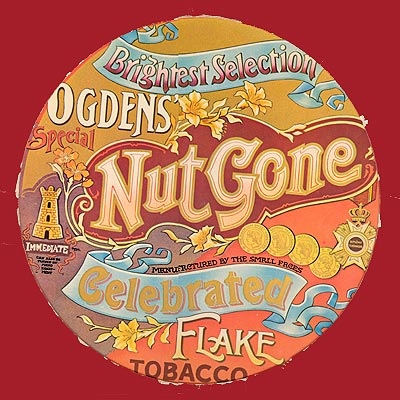
Ogden's Nut Gone Flake

But in 1968, the Small Faces released Ogden’s Nut Gone Flake. It’s great record.  A combination of hard rock and psychedelia that goes well with the music coming out of Britain in 1968.  Side A is pretty standard rock fare, but Side B is the interesting story of “Happiness Stan,” a tale told in the third person by guest narrator Stanley Unwin.  The second side also has “Rollin’ Thunder” a great rock and roll song.

Ogden’s is not an easy get.  A first pressing in its unique round cover is worth some serious cash.  Mine is a 1973 repressing, and not in perfect condition.  I consider myself fortunate to find it for twenty ish bucks. But if you’re serious about “getting” the music coming out of England with Wheels of Fire by Cream, Beggars Banquet by the Stones or Then Play On by Fleetwood Mac, you shouldn’t overlook this one.

Smyth Aircraft WIP pt. 2

So I’ve tucked in a couple of pictures of Bettys and Spitfires under construction.  As you can see, they are a bit further along.

The Spitfires are in their late 1941 camo, with medium gray and military green both by Vallejo.  I paint their cockpits a Ceramcoat Light Gray.  The next step is a bit tricky.

DSCN1408

Spitfires after they’ve been scrubbed and detailed.  Hopefully you can see how the camo has been lightened a bit.  I’ll add a bit of hue to the super light areas.  Before the canopies have been detailed.

The best airplane painter of all time, period, the end is Paul Hannah. Some of you may know him from his work with DBA and breathing fun into a set of rules that on their face are not.  Paul was a stickler for a couple of things around painting wee planes.  He is the first who raised the issue of scale and brightness of color.  The smaller the scale of the plane, the lighter the color should be, lest the detail  or the subtlety of the color scheme be lost entirely. (Paul also used to beautifully hand paint all his markings, but ’nuff said about that-because that’s just crazy talk.)

That being the case, I decided not to actually lighten my color, feeling that to reproduced the tinted colors over and over again would be impossible I “scrubbed” both the Betty bombers and the Spits.  It’s sort of an intense version of dry brushing with less paint on the brush.  I use it with a very ratty Army Painter dry brush.  A little bit of white paint on the end and then scrub away. It’s super important that almost all the paint is off the brush, or you end up in repaint mode.  It has two effects: it definitely lightens whatever the paint is, and it also offers a bit of a “weathered” effect.

DSCN1410

Betty bombers after they’ve been “scrubbed.” It really lightens up the dark IJN navy green.   Some planes have received their canopy work. The wing details on these Scotia models is not quite so busy as the Raiden Spitfires.

Then it is on to detailing. I always paint charcoal gray or black in the wing panels and the creases caused by control surfaces.  It just adds a bit more to the miniature.  I also do my best to paint the framing for the canopy or other plexiglas surfaces.  Just adds a bit more to the complexity of the miniature. Yes I use a small brush.  I have a 5/0 from Dick Blick I use only for this purpose, but I also have an Army Painter “insane detail” brush that is less expensive and will also make due.

I’ll be moving on to the light undersides and the yellow forward edge markings  next.  I’ll show off again when the planes are completed less their edge markings.

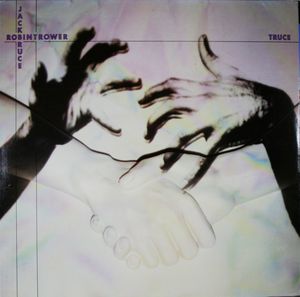
Music to Paint By. Story.  My only brush with rock royalty was in 1999 when my son Patrick, age 19, played with his high school band at the Ballard Firehouse.  His was one of two bands who opened for rock great Robin Trower. I was able to say hello to Trower, though I don’t think he ever actually acknowledged me. He impressed me as a small, very out of place Englishman who didn’t really fit in with his Ballard surroundings.

I don’t want to say I’m big fan of Robin Trower.  I do want to say that some of his music is absolutely unbelievable.  The sound he gets out of his guitar, the textures of sound he’s able to create are absolutely incredible–on Bridge of Sighs, his best known and, critically, best received work. I haven’t listened to a lot of his other records.  In City Dreams is quite good, and For Earth Below is okay.

Truce

When Pat and I were up at Georgetown records the other day, we were thumbing through the magical $3.00 bin and I spied Truce, a 1981 collaboration between Trower and former Cream bassist and vocalist Jack Bruce. I thought it might be an interesting combination of musical talents. Unfortunately, I couldn’t grab it, because, under the rules of the game we were playing it couldn’t be a band I knew or had in my collection and I had some Trower.

But on Friday, I zipped into Tacoma to pick up some record sleeves at High Voltage and dipped in to see if there was anything “I had to have.” We know this term in gaming don’t we? It so happened they had a copy of Truce and I had a 20% off coupon, so we were made for each other.

I took the record home and threw it on the turntable as I was painting Bettys.  I can’t call this a brilliant record or give it five stars, but it is really good.  It’s pretty stripped down blues based rock.  Trower gets to show off his chops as a great guitarist and Bruce fits right in, with some of his best work since Cream. It’s hard rock, not for the faint of heart, but it’s melodic and accessible, and a pleasure to listen.  There is no single track that stands out, but likewise, there is nothing trashy either.  The perfect record to paint your basic Tiger IE, or Grenadiers of the Imperial Guard.

Trower and Baker have one more collaboration with drummer Bill Lordan called BLT (oh how cute)  that has joined by wantlist, so one more record to look out for.


Good-bye 2015, hello 2016

2015 was a weird year in my gaming life.  It was a year in which I was less committed to the hobby.  It was one in which miniature wargaming was less joyful.  I’m not sure I can explain why, probably because I can’t put my finger on it.  I think it was the aftermath of my illness, plus the addition of a competing interest.  In any case, I can honestly say I feel like I’m back even if making time for actual games remains a challenge.

Expect some changes in the blog for the coming new year.

  • I’ve given up trying to track my painting for the year.  Suffice to say that at the present time I paint pretty regularly and buy very little. Part of that is because my record addiction has sucked up most of my funds, but honestly when it comes down to it, I need very little to continue working on my projects.  Like all-okay almost all my readers-I’ve stockpiled enormous quantities of unpainted lead I just need to paint. I’ll keep painting and you’ll see what it is I’ve painted.
  • I made 38 posts in 2015.  That’s more than the 22 posts I made in 2014.  Shockingly, I had 6,800 page views and honestly I can’t believe the number of visitors that come to this blog.  I can’t thank you enough for your curiosity, your loyalty and support. Every blogger wants his work read, but honestly this is overwhelming and humbling. But this is one of those cases of too much is not enough.  I haven’t kept a regular publishing schedule, I had several big gaps between posts and my goal this year is to post weekly if not more frequently.  So 52 posts is my goal for 2016. Whether it’s a new set of rules, a game I’ve dabbled in, or just work in progress, I’ll plan to share.
  • One of the things that has really given me pleasure is combining two of my most consuming interests: records and wargaming.  I will continue the regular feature “Music to Paint By” with the majority of my posts.  Sometimes the music will be familiar, sometimes more esoteric, but I enjoy sharing, so hopefully you’ll enjoy reading.

2016 will offer some opportunities to continue with many of my long time interests.

  • I have a lot of American Revolution figures for both sides left to paint.  It’s a period I really enjoy painting.  There are still the Perry Welsh Fusiliers and Lee’s Legion.  I have a complete unit of British Grenadiers by Front Rank.  I have the second battalion of the 71st Highlanders and the Von Bose Regiment by Old Glory.  It’s a period I love, but, sadly I haven’t pulled them out to game with them in at least three years.  I hope to maybe give Jim Purkey’s Fife and Drum rules a try, which are a bit easier to teach neophytes than Regimental Fire and Fury.  Anyway I hope to get at least one game in.
  • I started painting some French men at arms for the Hundred Years War in November and just couldn’t go on.  I had to pack them away.  I’m sure I’ll continue tinkering.  Still want to continue with my Fire and Fury variant, which had its first go in October. With the Perry’s coming out with plastic men-at-arms and foot figures for the period, I’m sure I’ll be in on the goodies.
  • ACW Naval has been such a pleasure to paint. With the future of Bay Area Yards uncertain, I’m sure I’ll be sending some cash off to Thoroughbred Miniatures to fill out my fleets, particularly the Union vessels.  I’ve been away from these too long, and they just mean too much to me. Ironclads, Sail and Steam Navies, and I’ll probably snag a copy of Iron and Fire by David Manley in the near future.
  • My Irish Civil War figures are sitting on my painting table waiting for some attention.  I’ve even found an acceptable (and free) set of rules called Like Cricket, But With Guns, it simply requires me to paint some stuff, design a scenario and play with all of it. Hopefully that will happen after all the planes are done.
  • Today I received my Dragon Rampant rules in the mail, and I haven’t even cracked them yet.  But the Riders of Rohan have always been one of my favorite peoples of literature and I have many of them to paint from the GW Lord of the Rings range.  I now see some incentive.

So lots to do, always lots to do.  Be sure to check out my friends’ blogs–Dave Schueler’s Naval Gazing, David Sullivan’s I Live With Cats, and Dean Motoyama’s WAB Corner, and Doug Hamm’s Dots of Paint.  All interesting, different from one another and worth your time.


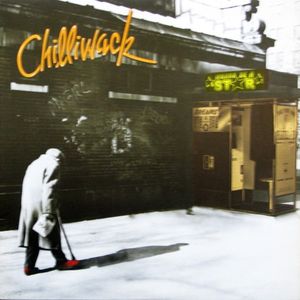
Wanna Be a Star

Music to Paint To: Chilliwack is a band that enjoyed some popularity in the 70’s and 80’s.  A band from the Vancouver, B.C. area, and named from a Vancouver suburb, I saw a lot of their records as cut-outs during the glory days of Peaches and Tower Records.  Never listened to their stuff though.  Yesterday I spent a very enjoyable day with Pat and we went on a big adventure to Georgetown Records and then off to Henry’s near Safeco Field for lunch. I insisted we play a little game at the record store.  I agreed to pay for a choice for each of us from their tasty bargain bin of $3.00 records.  It had to be something not in either of our collections and we’d take it back to Pat’s house and give it a listen.  I chose 1981’s Wanna Be A Star by Chilliwack.  The title track is great, the rest is interesting and listenable.  Apparently this record is Chilliwack’s best.  It certainly has some elements of Supertramp in there without the amazing keyboards, but a typical not too bad power trio from the period.  Definitely worth at least three dollars and will proudly grace a shelf in my collection–at least until I need the space.

What I’m Up To

I’ve nearly made it to one of every teacher’s favorite time of year-Christmas break. I’m exhausted.  Really.  Adding yearbook to my newspaper duties is wearing me out.  I love it, but it’s hard and stressful.

In any case I’m a couple of days out. and I couldn’t be happier. I’m looking forward to time for my Pensacola project and one of my goals is to be ready to playtest by the time I go back to school.

Of course life would not be Smyth without a complication or two.  This time the complication is that my wife, the lovely and talented Mrs. Smyth, is going to have rotator cuff surgery on Dec. 30th.  That’s right your basic shoulder rebuild, which may keep me from gaming for a while. It will definitely keep me out of a Lion Rampant gig on January 2nd.

Mostly I’ve been working on the Pensacola project.  I’ve nearly entered the terminal stage for preparing “stuff” for the Ironclads game.  Spoke with David Sullivan about the game on Sunday and we’ve definitely decided on Enfilade Sunday as the game date.

Morgan and Gaines

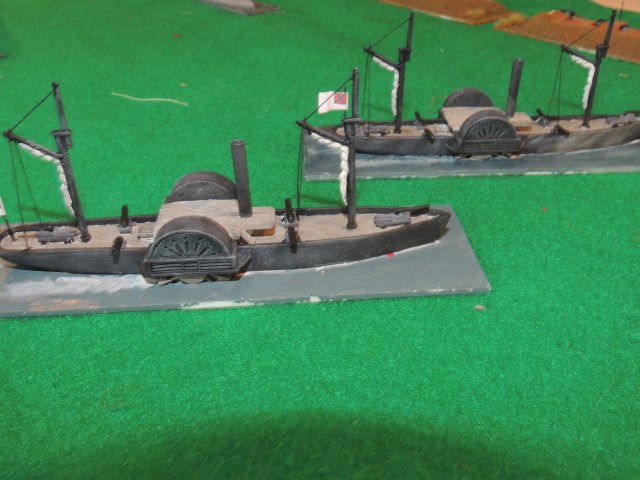
Thoroughbred Morgan and Gaines.  Same model for both ships.

I’m wrapping up work on a bunch of Thoroughbred miniatures for the game.  I finally wrapped up Morgan and Gaines.  I’m pretty happy with them.  I gave them a really simple rig to finish up.  It was more than a little bit of a struggle to do the very little rigging. Dunno what the deal was. I actually remembered to stick a flag on these babies too.  Something I’m bad at.

I also finished Miantonomah and the little Casco light draft monitor as a torpedo boat.  The Miantonomah was a double turreted monitor mounting four 15-inch Dahlgren smoothores.  Never played with one in a game, but I’m sure it would be nasty and a half. There were several in its class and it was followed by the even larger Kalamazoo class.A friend gifted me my Thoroughbred Mianatonomah. Not to seem ungrateful, but I reprimed and repainted it so it would fit in better with my paint scheme.

The Cascos were a class of light draft monitors that were less successful than their predecessors, the Passaic and Canonicus classes.  Intended for service on rivers, they saved weight with their very under-powered engines.  Most of the ships in the class were turreted and mounted a pair of 11-inch Dahlgren smoothbores.  However five vessels went turretless and carried a single eleven inch gun in an open mount (yikes) and mounted a spar torpedo.  Unfortunately its max speed was about 5 1/2 knots, which makes its effectiveness as a torpedo deliver device somewhat suspicious. Like all Union ironclads in my collection it is painted neutral gray.

The Modoc, which is what I’ll name my miniature, is a very nice model. With the torpedo removal device on the bow, the goofy armored tower, the 11-inch open mount which sits between two ventilators (making firing directly forward impossible.) A bit more interesting than your basic monitor. However, I have little question it would be pretty terrible in a fight.  Under armored, under armed, too slow, pretty much all the cards are against it, but in a game who knows.

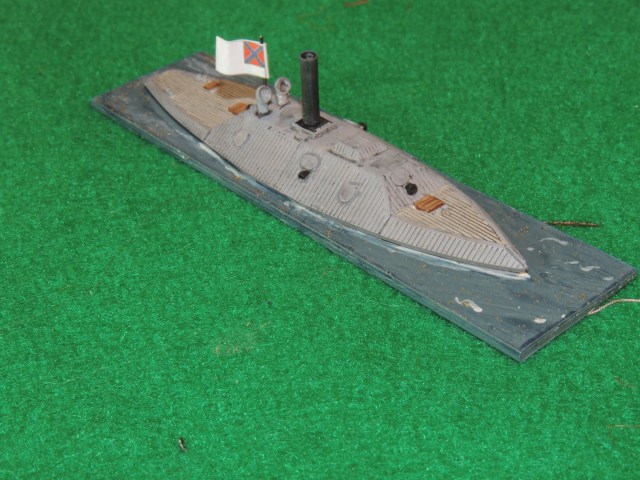
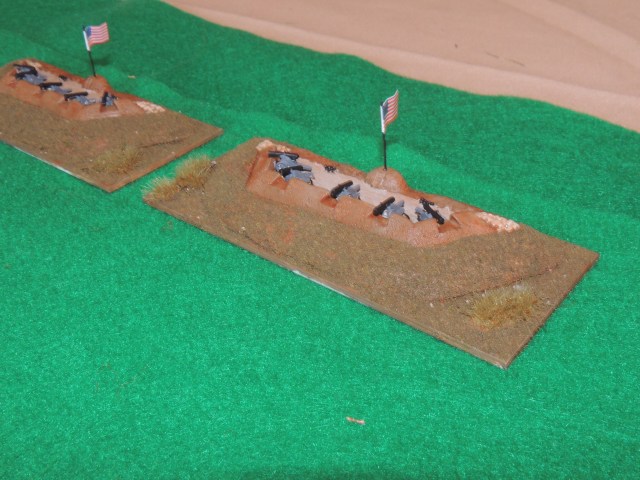
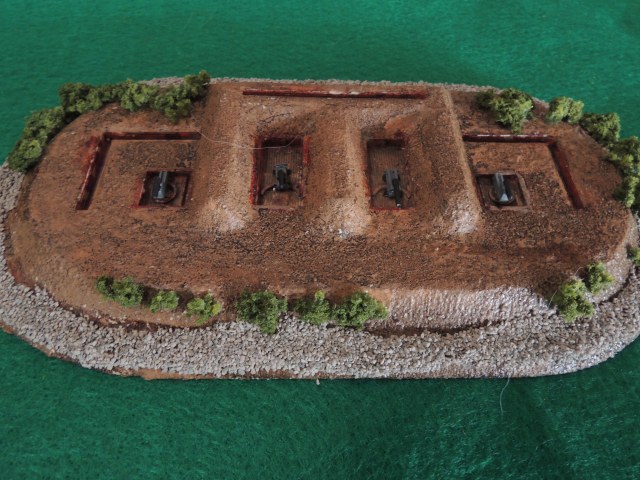
I have a few more Thoroughbred models I’ll finish over the break. The Confederate ironclad Tuscaloosa will finish the Mobile Squadron.  A nice, simple model, smallish for an ironclad.  Maybe a different take on the Richmond class.  In addition I have a pair of the five gun earthworks that will be options for the Union defenders to share.

Tuscaloosa

Confederate ironclad Tuscaloosa didn’t have engines in time for the Mobile Bay action, but for Pensacola–who knows?

I don’t think I can overstate how much I enjoy working on the T-bred ships.  They are solid, realistic, and I know what I’m getting.  While I think the Bay miniatures are also very good they are more impressionistic-a work of art that always seem to challenge my limited modeling skills. The ranges complement each other, and I would be oh so disappointed if something happened to either company, but the Throughbred line is still my favorite.

T-bred earthworks

Two Union earthworks by Thoroughbred

With the break now here (it took me a couple of days to write) I’ll finish these miniature and move on.  I have some 1/300 British WWII planes from Raiden miniatures to begin painting for the Channel Dash, and I’ve gotten a bit of a start on my Irish Civil War figures from Footsore miniatures.

More later.

Music to Paint By

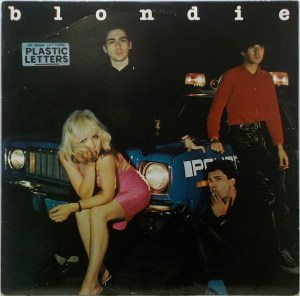
BlondieI’ve finished my Blondie mini-collection.  Yes, everyone knows “Heart of Glass” and maybe “Call Me,” they are two quite good singles, but Blondie is so much more than that.  The final record to acquire with my record store sales is their 1976 self-titled debut. Blondie is New York punk/new wave.  The songs are relatively simple and up-tempo and a lot of fun. Though it has the distinctive new wave beat, their is definitely a canny pop sensibility.  It also has Debbie Harry’s sweet voice in contrast to the often harsh vocals of their contemporaries-The Ramones, The Patti Smith Group, and others.  But the songs, sung by the tough chick with a heart of gold, are anything but sweet.  Lots of good songs on this record, but my favorites are “In the Flesh,” and “Rip Her to Shreds.” The original Private Sessions pressings can be spendy, but the Chrysalis reissues are a bit more affordable. Very good stuff.
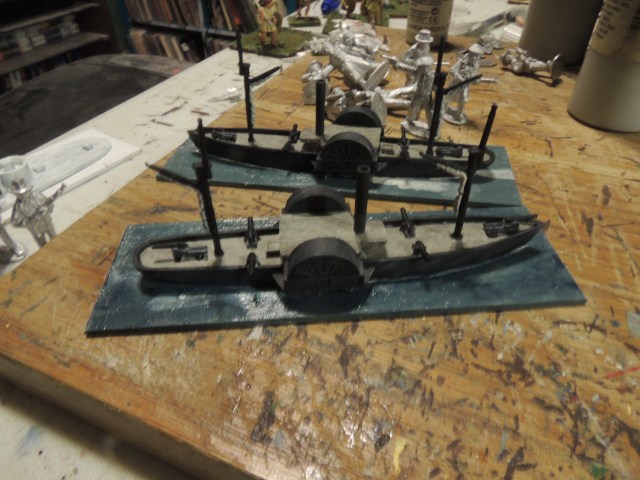
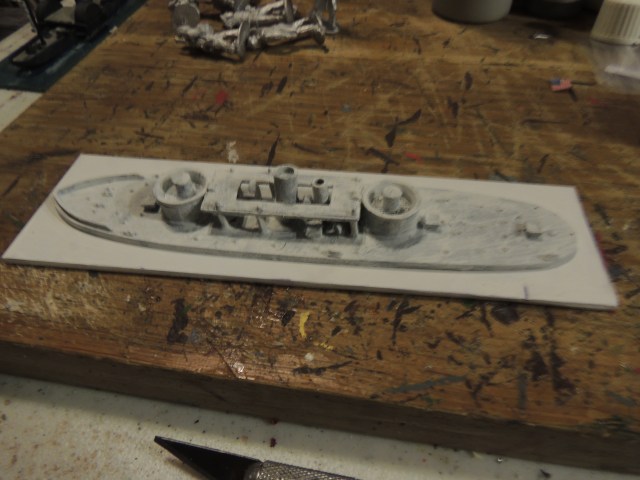
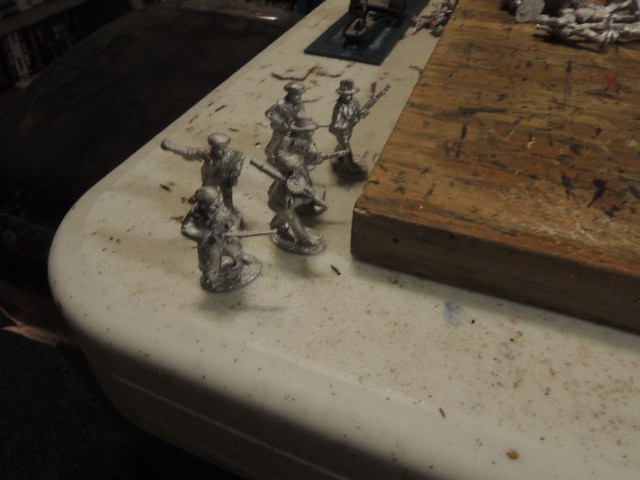
Pensacola updates and clearing my painting table.

DSCN1379

Thoroughbred Figures Gaines, two of ’em.  The Gaines and Morgan were both purpose-built gunboats for the defense of Mobile. The models are a pleasure to assemble and paint. They await their rigging.

I’ve tried to be better about posting regularly, and honestly it’s been a pleasure just to fill you in on what I’ve got going on.

My number one priority is the Ironclads Pensacola game.  I’ve worked a lot on the scenario, dealing with some of the issues endemic to large games with our adaptions of the Yaquinto rules.

The biggest issue I’ve tried to cope with is managing fire from and damage to Fort Pickens.  The Confederates main objective is to reduce the fort’s effectiveness through bombardment.  The other problem is adjudicating the fort’s massive fire power, literally hundreds of guns, without completely bogging the game down in a system that is easily bogged down.  I think I can do that by homogenizing fire from the fort’s largely obsolete guns, but still retain the unique feel of the game system.

More information to come on the game.  But I’m in one of my super-interested in a project phases.  I’m in the middle of working on the Thoroughbred models of CSS Gaines and Morgan.  They are the same miniature.  The models are typical Thorougbred–sturdy and clean, a joy to assemble and paint. Both gunboats were purpose-built for defense of Mobile Bay and make a nice contrast with the Bay Selma.

Mentions of the vessels in the literature suggest they were pretty dark–heavily colored with creosote.  I painted the hulls Ceramcoat Charcoal Gray and dry-brushed with a  lighter gray before washing with Vallejo Black Wash.  Unfortunately it washed all the character right out of them, so I went back and dry-brushed with Vallejo Neutral Gray for a more satisfactory result. The decks are Vallejo deck tan, washed black.  The gun carriages, which I think are beautiful but too big, are also the neutral gray color with black barrels.

DSCN1381

Throughbred Mianotonah is primed and next in line for completion.

Together with Selma and Miami, I’ve really enjoyed working with ship miniatures.  I have a T-Bred mini of Mianatonomah, a double-turreted monitor on my painting table next.  It’s an option for the Pensacola game.  I’ve also ordered four more Thoroughbred miniatures that are required/options for the scenario.  In addition I have three large, masted vessels I’ve had for years–the Bay Minnesota, a large screw frigate, and Thoroughbred’s Hartford and Mohican, which will double my collection of screw sloops.

I’m hoping to bump my collection of ACW ships from about 70 to 100, mostly to fill out ship choices and quantities for scenario making. I need more monitors, gunboats and river rams. Sounds like a lot, but they really are a pleasure to work with.

While I’m in between ships to work on I need something else to do.  I had the 28mm HYW men-at-arms on my table, but honestly it’s really not what I want to do right now.  I swear I’ve picked them up a half dozen times, painted some shield patterns, a few black lines for armor here and there, and I’m stuck.  Now isn’t the right time. So I’ve tucked them away.

DSCN1382

28mm Irish Republican Army figures by Footsore Miniatures, formerly Musketeer Miniatures.  I have probably 35 or so figs from this range, and I’m anxious to give them a try.

I have some AWI jaegers and some HYW Irish kerns that need some re-basing, but after that I’m not sure.  I’m placing an order to I-94 Enterprises for some WWII British aircraft for the Channel Dash project Dave and I are working on for Enfilade.  But I’m seriously thinking about putting some time in on 28mm figures for the Irish Rebellion/Civil War 1916-22.  I have figures for both sides as well as some vehicles–Crosley tenders and a Lancia armored truck.  So there’s plenty to keep me busy.

It’s important to keep working on stuff, so I may as well be painting something I want to paint.

Plastic Letters

Music to paint by

I’m intrigued by Blondie, the ’70’s New Wave band that morphed into a huge pop success in the late 70’s and early 80’s. Fronted by tough chick with a heart of gold Debbie Harry, the band was quite successful until its collapse in 1982.  Last weekend I took advantage of my local record store’s 20% off Black Friday sale and snagged 1977’s Plastic Letters.  Not one of Blondie’s strongest records, it seemed like a bridge between their 1976 inaugural self-titled offering and 1978’s smash, Parallel Lines.  The record has a couple of covers that offer great homage to rock’s past, including  Denis a sendup of the 1963 hit Denise by Randy and the Rainbows. The rest of the music is okay, but nothing as interesting as the string of hits to follow.  Still a good listen, and a worthwhile addition to a Blondie collection


Defending Pensacola

David Gilmour 005

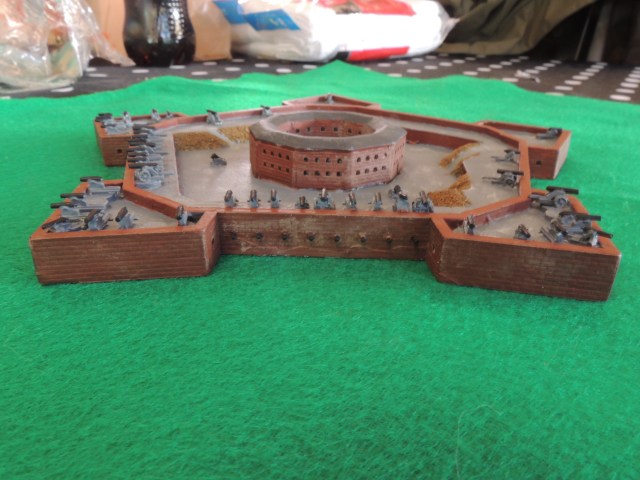
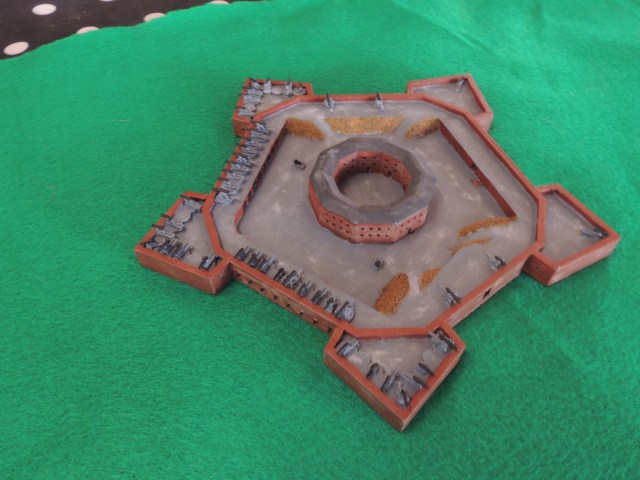
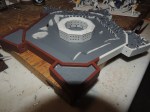
Front view of the Bay Area Fort Jackson star fort. The miniature is pretty good sized, with the interior sans bastions about six inches across.

I’ve blathered on about my plans for Enfilade and my Ironclads game.  Well, I’m prepared to reveal just a little bit more.  I’m thinking a Sunday game, if that works for my partner David. Sunday is a good time, though it often excludes Canadian attendees.  If David is selling stuff at the B and B, he has incentive to be there on Sunday.

Our game is a hypothetical action in late 1864.  Admiral Farragut’s attack on Confederate defenses in August 1864 are disrupted by a Katrina-like event that severely damages many vessels in the Gulf Squadron as they lay at anchor at the mouth of the Mississippi. With Farragut unable to act, Confederate admiral Franklin Buchanan takes the matter into his own hands and launches an assault on the outer defenses of Pensacola with vessels from the Mobile defense forces, and meets some of those nasty ships abuilding in British yards, led by Confederate Commodore Raphael Semmes.

David Gilmour 004

Another look at the miniature. It was a true pleasure to assemble and paint, but unfortunately it’s no longer available.

Pensacola was occupied by Confederate forces April 1861-May 1862.  They took control of Forts McRee and Barrancas that provided two angles of the “triangle of fire” controlling the ship channel into the city. They also laid siege to and tried unsuccessfully to capture Fort Pickens, the great star fort on Santa Rosa Island. McRee was shelled mercilessly by Pickens and the Federal sloops Niagara and Richmond in September 1861. When the Confederates evacuated Pensacola in spring of 1862, they destroyed what was left of McRee’s defenses, and it’s unclear what happened at Barrancas. Pensacola’s fortifications went largely unimproved as it became a backwater, an ignored enclave in Confederate Florida, the action moving on to Kentucky, Tennessee and Georgia

One of the stars of the scenario will be Fort Pickens, the 1830’s era star fort that anchored the defense of the ship entrance to Pensacola Bay.  In my previous entry I shared a photo of the Bay Area Yards model of Fort Jackson, which has to be a reasonable substitute for Pickens.  First let me just say it’s a beautiful miniature.  Steven Taylor and Dave Brandon have my salute, because there’s nothing about it I found to be a problem.  Well-cast in resin, I think I found one small inconsequential bubble. Unfortunately, a limited number of these babies, together with Fort St. Philip, were cast and are no longer available.

I’ve never been to Fort Jackson or Fort Pickens, but I have been to Fort Pulaski in Savannah.  Though Pulaski is pentagonal like Fort Sumter, rather than a classic star, I was struck by the beautiful brick work, like Jackson.  I painted the brick areas, the exterior and interior walls, the ground colonnades Vallejo cavalry brown.  I dry brushed it with Ceramcoat Trail Tan, and then washed it with Vallejo brown wash.  Same with the interior citadel. I decided on Vallejo neutral gray for the horizontal surfaces and then dry-brushed with Ceramcoat light gray.  The citadel roof was painted Ceramcoat charcoal and again dry brushed with light gray.

The model comes with a passel of guns for the fort, and if I made a mistake in my painting choices, it was with the guns. I painted them the same neutral gray and should have painted them any other color.  I also glued them to the fort before painting–another “doh!” moment. I found the model required lots of handling, so I made sure to dull-coat it multiple times along the way.  Really a pleasure to build and paint with some very moderate challenges. I really like it. IF THERE IS ANYONE OUT THERE READING THIS WHO HAS THE FORT ST. PHILIP MODEL AND DOESN’T THINK THEY’LL EVER BUILD IT, PLEASE CONTACT ME.  I’D LOVE TO TAKE IT OFF YOUR HANDS.

David Gilmour 007

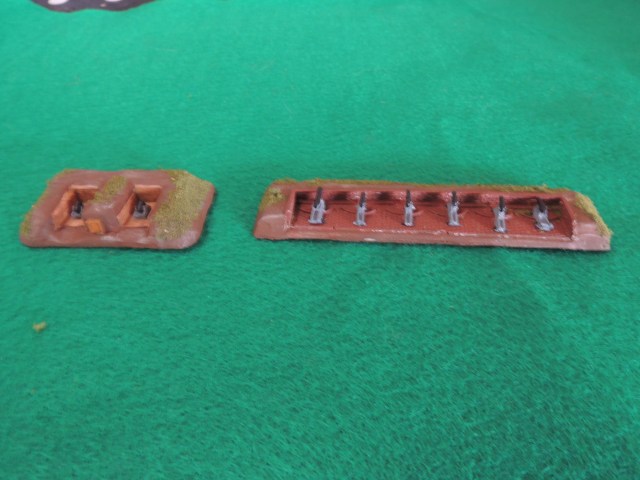
Rear view of the Bay mortar battery and brick water battery.

David Gilmour 009

Another sizable model, the Bay Battery Buchanan miniature is quite nice. My friend, Al Rivers painted it for me. Thanks Al.

David Gilmour 010

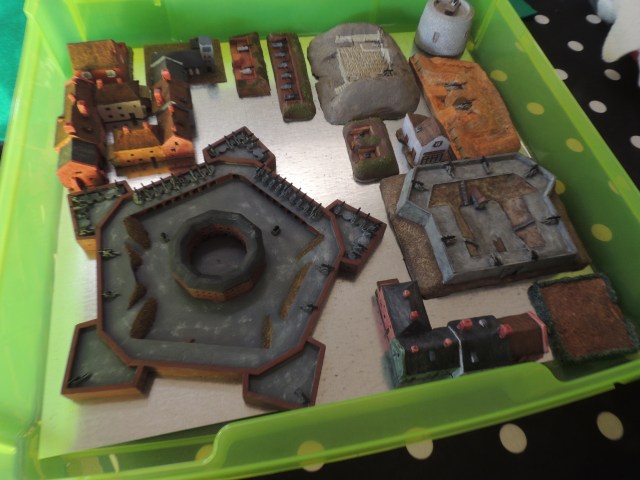
This is my tub o’ land based leavin’s. It includes fortfications, buildings and one must have a Martello Tower-always. No, really.

I completed a few more Bay pieces.  They may or may not make it into our game.  A few years ago, my friend Al gave me a miniature of Battery Buchanan that was part of the Fort Fisher defenses of the Cape Fear River. Al did a super nice job with it, and all it needed was armament.  Thankfully I had plenty of surplus guns.  In addition I had the Bay brick water battery and a seacoast mortar battery and I wrapped those up too.  There going to have to be more landbased pieces acquired, probably both from Thoroughbred and from Bay Area Yards.

David Gilmour 011

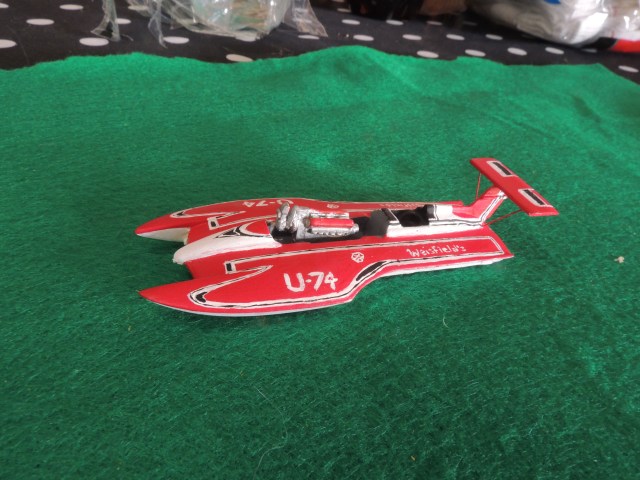
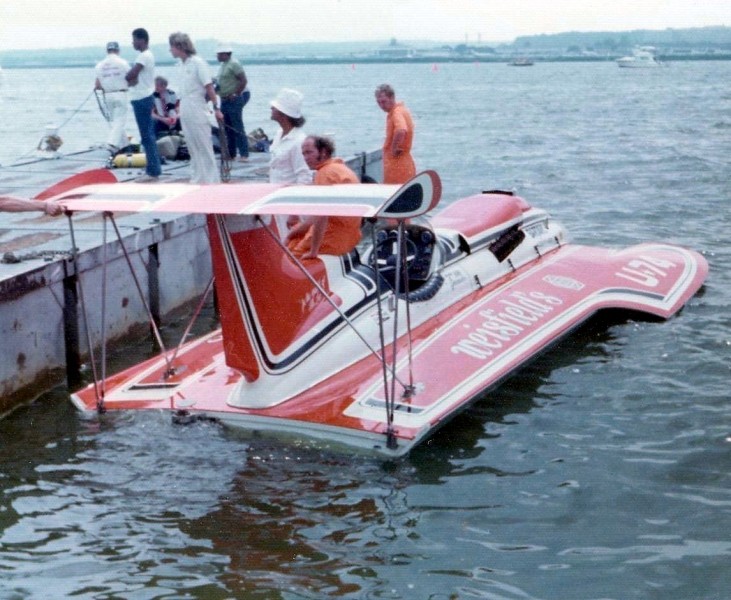
Weisfield’s Jewelers. There are countless things I would do differently with this miniature. Too many to list here.

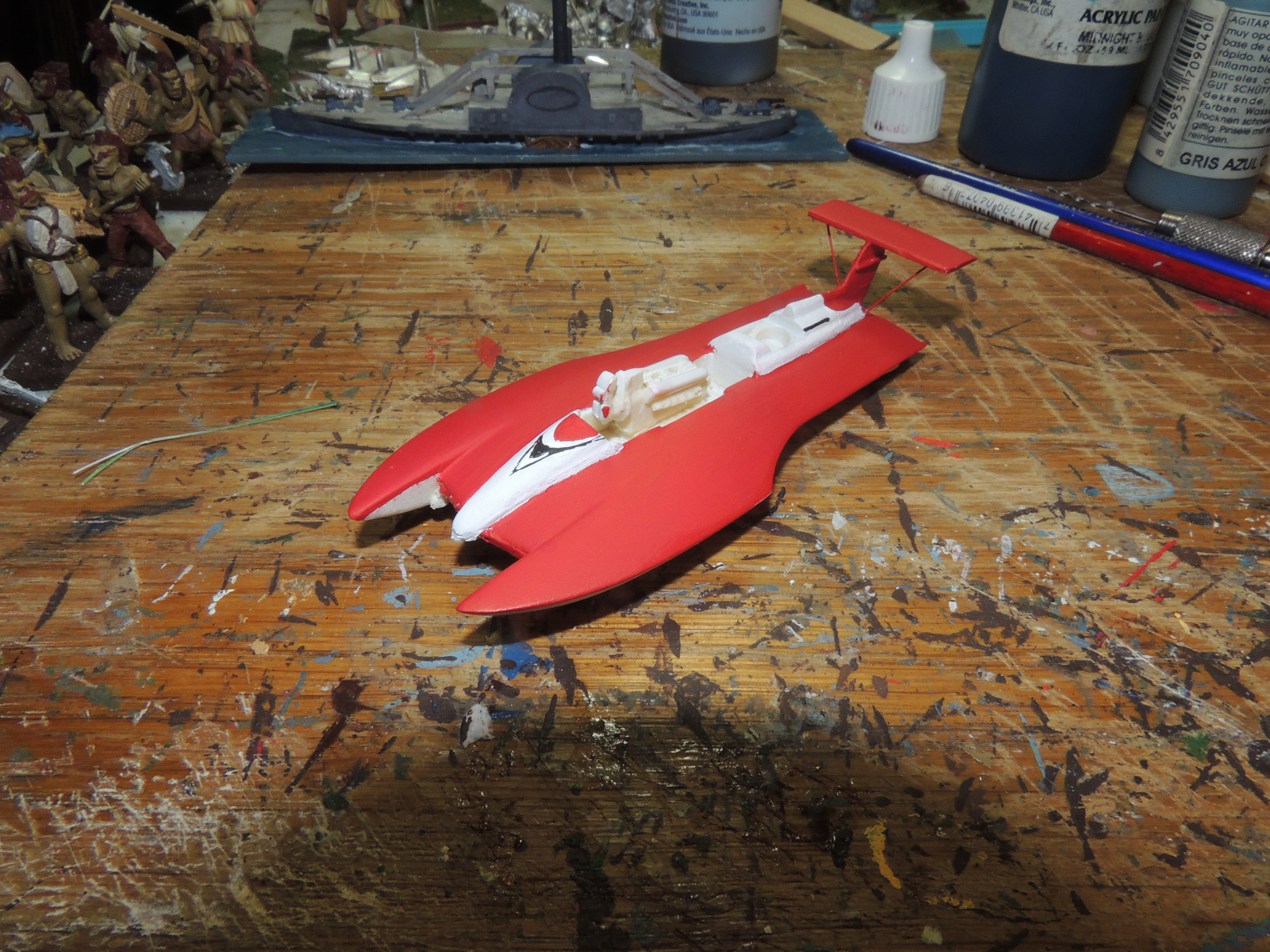
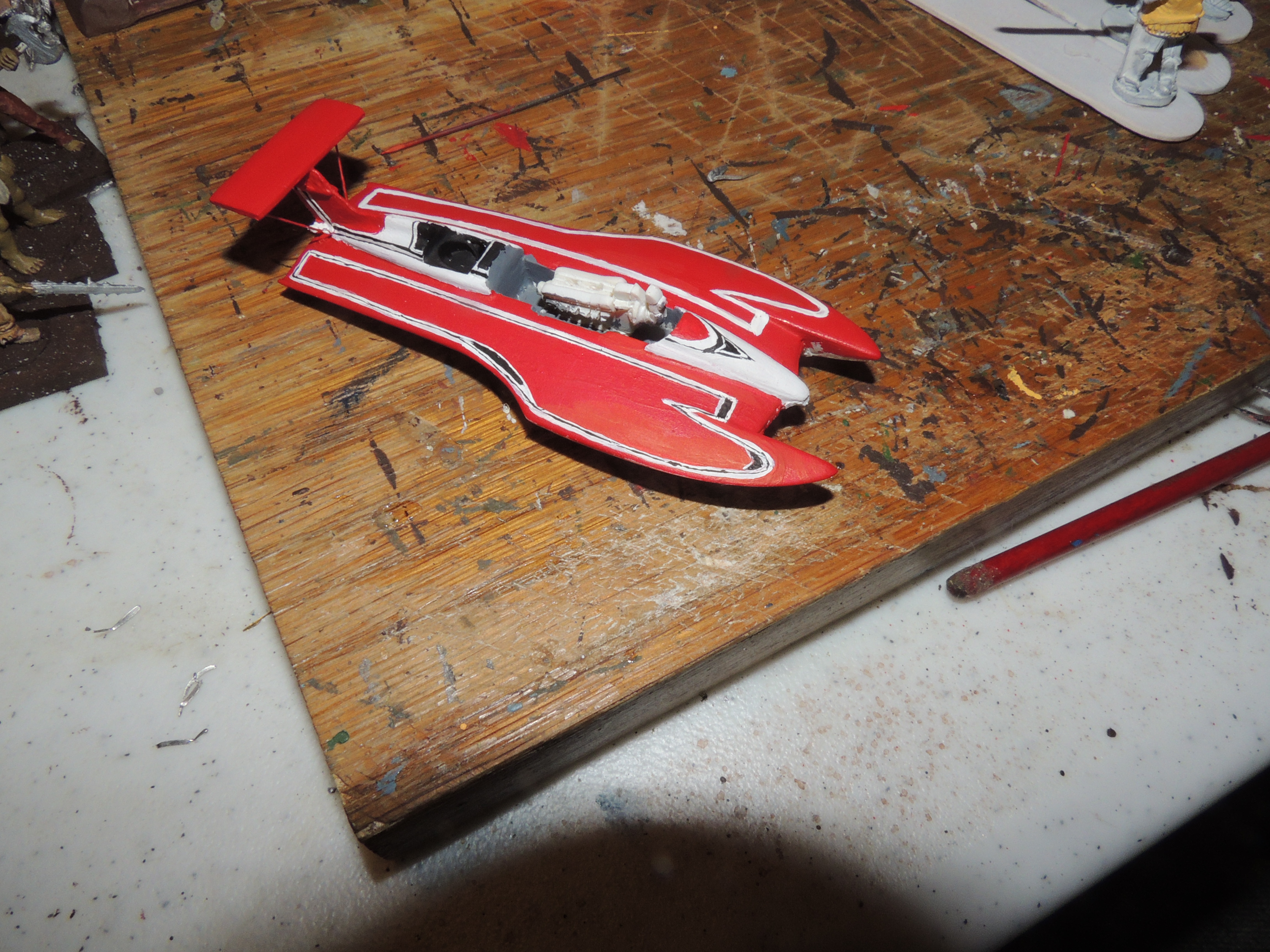
Last on my list of finished pieces was another picklefork hyroplane, the Weisfield’s Jewelers from 1974-5.  It’s unique tail simply had me.  Not an easy miniature to paint with all the lining required. Still, it’s always fun to paint these miniatures, though I confess I don’t quite have the same attachment to the later boats I do to the 50’s and 60’s boats.

What’s on my painting table?

Well, with the fortifications done I can spend all my time working on the dismounted men-at-arms I started working on a while ago. Still a ways to go, but I’m hoping to have them finished by the end of the Thanksgiving weekend.  Why?  Well, because I just received to Thoroughbred ships in the mail.  I bought the T-Bred Gaines.  The Gaines was a small, but well-armed gunboat that served on Mobile Bay together with her sister ship Morgan, and the Selma.  They became consorts to the ironclad Tennessee. They look nice, and they should be fun to build and paint.

Music to paint by. 

David GilmourYesterday I picked up a vinyl copy of the first solo album by David Gilmour.  Gilmour is the lead guitarist and sometime vocalist for Pink Floyd.  His first solo record was released in 1978.  I bought it after hearing “There’s No Way Out of Here” on the radio when the album was released.  I had a 1974 Ford Pinto and I installed an eight track player in it.  Gilmour’s album was one of my first eight track purchases. The album is more accessible than Pink Floyd’s Animals, which was released at the same time.  The songs are reflective, wistful and generally, a very pleasant listen.  This record also has a Hipgnosis cover, which made it a must-have for my collection.


Maybe Nostalgia is Getting the Best of Me

I got the e-mail from the Enfilade honchos this morning that the first of the year is just around the corner.  Time to start thinking about games for the convention.  That’s never a problem for me.  I’m always thinking about games for the convention.

In fact, pretty much everything I’ve posted about working on recently is Enfilade-related.  New hydroplanes? Friday night’s game.  The Selma?  The Ironclads game.  In fact today I sent in my first figure order since February–a couple more ships will be on the way for the Ironclads game.

In fact  Ironclads is causing me a bit of heartburn at the moment.  I have a plan for the game–know almost exactly what I want to do and the ships involved.  It’s just that it is an Ironclads game and I’m not sure how many players will love it as much as I do.  It should be fun and different, but as with all Ironclads games, lots of shooting, lots of hits to adjudicate and lots of sitting around and waiting.  I still love these rules.  They’ve been out of print for a very long time, but any time David and I drag them out there are always lots of takers.

On my painting table

I’m in painting table hell at the moment.  First, let me start off by sharing that I just haven’t been home much.  The newspaper was on its first deadline a couple weeks ago, That effectively eliminates painting time.  Last week it was the yearbook with evening time for grad ads.  Battle of the Band auditions–it’s just been super busy.

Lines, lines everywhere. The Weisfields is slow to paint because of the danged lining.  Trying to keep 'em straight, but not always successful.

Lines, lines everywhere. The Weisfields is slow to paint because of the danged lining. Trying to keep ’em straight, but not always successful.

I worked through the two hydroplanes and started a third–the Weisfield’s Jewelers from 1975.  Kind of an interesting boat with it’s traditional “fighter plane” tail and the horizontal airfoil above that. It would be better if had waited to mount the airfoil before painting, but I chalk that up to lessons learned.  In any case, it’s similar to Squire shop with all the lining and lettering, and I haven’t quite figured out the diamond insignia, but I will.  Got a good start, but lots left to do.

But you’ll recall that one of my other goals was to paint some more dismounted men-at-arms for the Hundred Years War.  So I’ve primed them and started working on ’em.  Not a lot to comment on, they’re just HYW dismounted men-at-arms of the French persuasion.  Two painting projects going on simultaneously.

And if that weren’t enough, I have a third.  The Ironclads adventure I blathered on about requires land fortifications and I just happen to have some. About three years ago I picked up the amazing Bay Area Yards model of Fort Jackson, defending New Orleans in 1862.  It’s a beautiful miniature, modeled by Dave Brandon.  You can see it here from Patrick Hreachmark’s New Orleans game in 2011. Fort Jackson was a star fort and the model is suitable for that fort, or any of the many star forts defending harbors in the United States.  It looks like I went a little hog wild with the artillery I mounted, Don’t know if I should feel bad about that or not. I also didn’t follow Patrick’s painting model-again, c’est la guerre. I’ve also painted up a mortar battery and brick water battery–also by Bay.

Things are proceeding apace.  There’s always something to do.

Music worth listening to

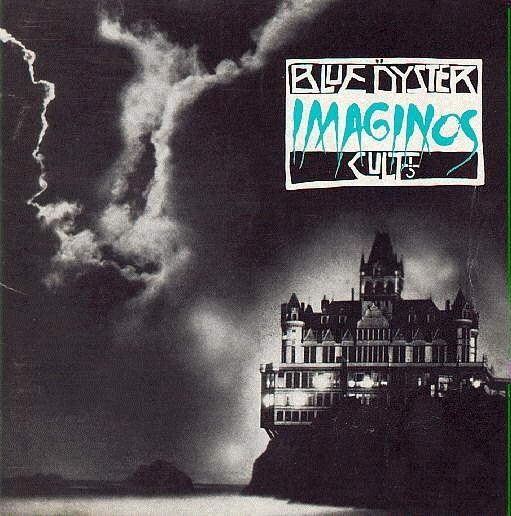
Imaginos was Blue Oyster Cult's last major release. It is quite good.

Imaginos was Blue Oyster Cult’s last major release. It is quite good.

When I was a junior in college I listened to my first Blue Oyster Cult record.  It was Agents of Fortune, and “(Don’t Fear) The Reaper” was a big hit.  It was the hardest music I’d ever listened to before, though today it seems pretty tame and power-popish. BOC had a long recording career, though after Agents, their albums tended not to be quite as strong.  Still some interesting records followed:  Spectre Fire of Unknown Origin, still very good, Mirrors and Cultosaurus Erectus, not so much.  But one record that is often over-looked is Imaginos from 1988. It is their last major label record, and a concept album (though I haven’t listened to it quite enough to get the concept.)  It’s also a bit different.  It’s a bit heavier, fewer pop sounding tracks, but very good and still very accessible. My favorite song on the record is “Astronomy.”  If you gotta go out, go out big, and Imaginos is still a very good record.

Bay CSS Selma review

Selma 001

One of my goals last weekend was to finish the Bay Area Yards Selma.  It didn’t happen, but I did finish it yesterday.

For whatever bizarre reason, the Selma has a special place in my heart. When I was 17, or so, I collected 1/1200 scale WWII ships from Navis, Delphin and Hansa.  Star miniatures offered some 1/1200 scale ACW ships so I bought a handful-having no idea what they were or what I would do with them.  One of the little unpainted lumps was the Selma.

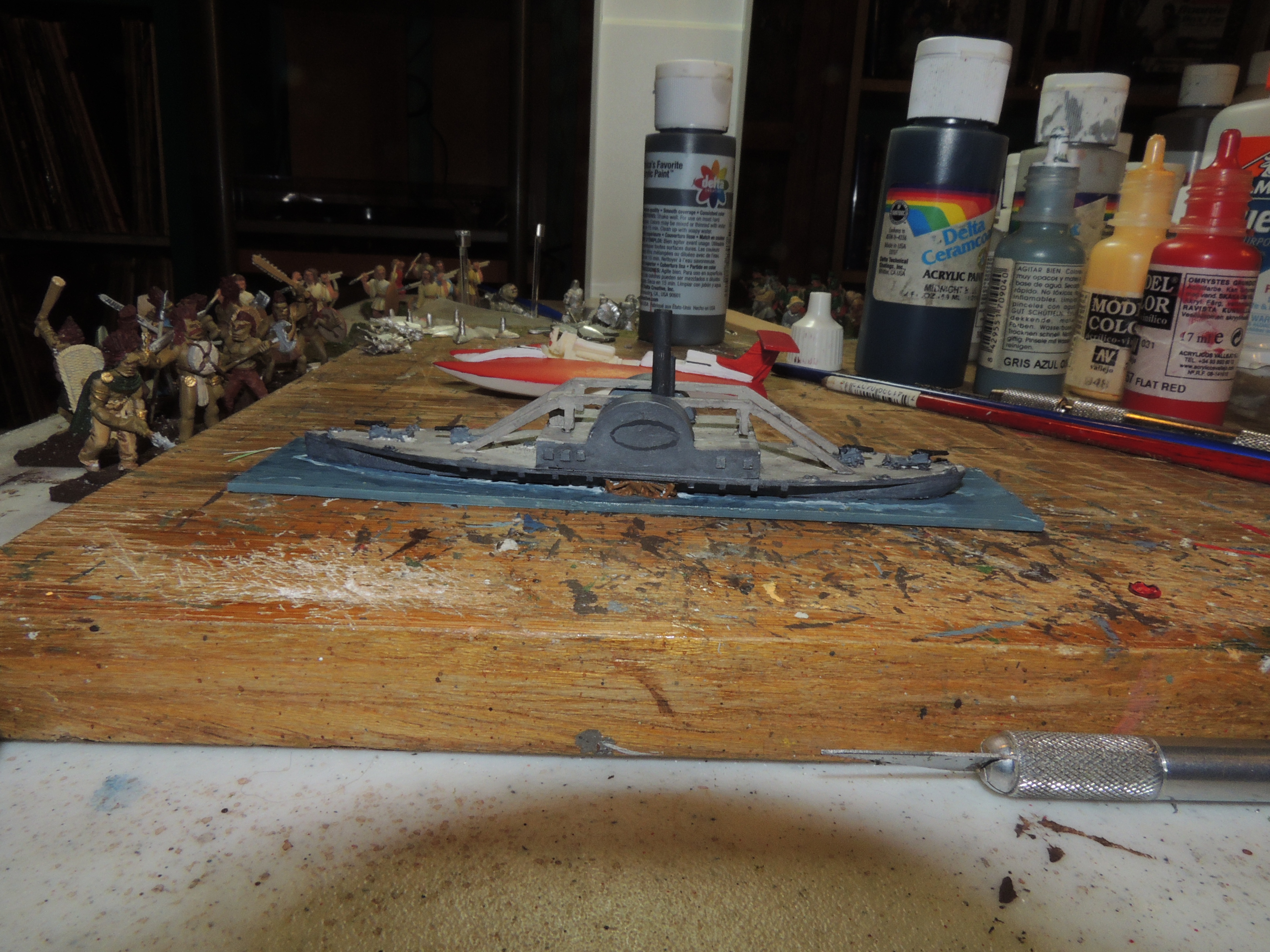
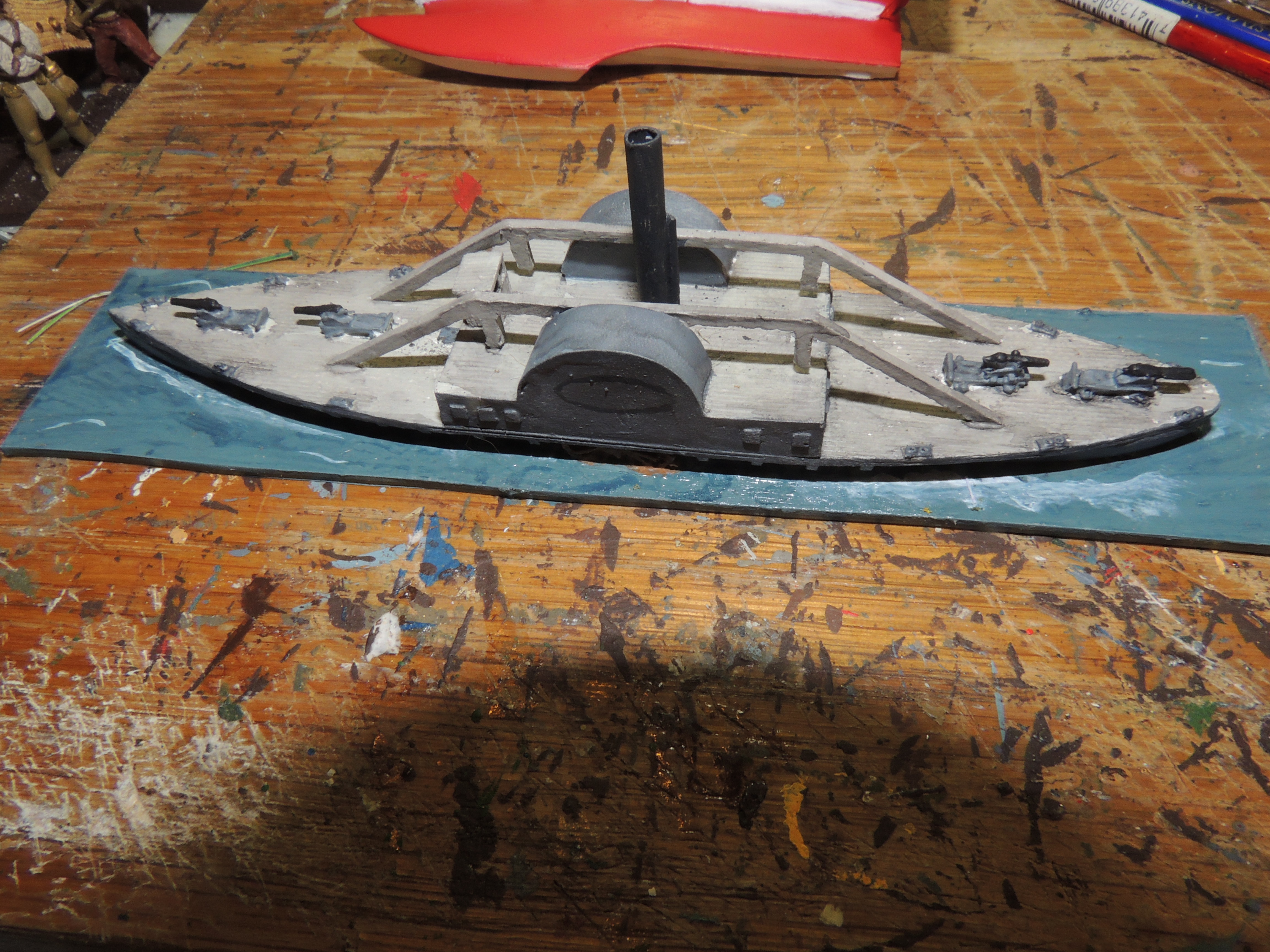
With its distinctive low silhouette and hogging rails, the Selma was a unique gunboat. Originally a coastal packet christened Florida, the steamer had its upper decks removed and painted an overall black. The horizontal railings were built to prevent a phenomenon called “hogging,” when the ship would begin to sag, bending at the ends due to greater weight in the middle of the vessel.  The Selma was armed with one 6.4″ Brooke Rifle forward and three mid-sized navy smoothbores.  Together with the CSS Gaines and CSS Morgan, the Selma escorted the Tennessee, an ironclad ram, out to confront David Farragut’s fleet as it passed Fort Morgan at the entrance to Mobile Bay on August 5, 1864.  Selma, outclassed by the double-end gunboat Metacomet, surrendered to that ship after an hour-long gunfight.

Selma 003

The Selma is one of Bay’s most recent designs and a long-needed addition to those available to gamers and collectors.  It should be easy to take an existing model and dummy up the hogging rails, but I’m such a clumsy doofus when it comes to doing that kind of stuff. The Bay kit comes with a resin hull, nicely cast with no bubbles and little flash.  It comes with the hogging rails, also in resin, a resin pilot house and cabin, a cast metal smokestack, and four of the excellent Bay guns.

As I said, the hull is nice with the paddle wheel housing creating an interesting, but challenging, overhang.  Hard to get at after mounting my ship on a plastic base. The resin hull should be soaked in diluted Pine Sol or at least soap and water to release some of the molding agents left on the model.  I forgot to do this, much to my chagrin, and had some problems with paint, even after priming, not sticking to the kit. I had to go back and hand prime with gesso.  The only problem with assembling the kit was the hogging rails, naturally. They are long and springy resin and run down the length of the ship between the wheel housings. Unfortunately they don’t fit quite right. The verticals for the rails are too short OR it depends on applying pressure to space out the ends of the rails to make it fit properly. After fiddling with that and a tube of CA glue for longer than I wanted to, I decided the hell with it.  I glued ’em on the best I could, just don’t look too closely ’cause there’s a gap between the rail and the decking. The rest went together fine.  I only opted for the pilot house and left off the cabin because I could not find one in any of the illustrations I looked at.

Painting was simple.  Nothing special about the Selma.  I painted the deck Vallejo’s Deck Tan (#110.)  The overall hull I painted Vallejo Neutral Gray (#160) then drybrushed with a light gray from Cermacoat. i painted the pilot house and hogging rails in a Ceramcoat brown-gray, thinking they were newish and possibly temporary structures, and gave the lot a good creosote wash using Vallejo black wash.  No masts, so no rigging.  Could have added supports to the funnel, but didn’t–so shoot me. It’s pretty much an out-of-the-box kit.  I like the look and the amount of detail on the model.  The Selma will join the Confederate fleet in an Enfilade scenario comprising a late-war Confederate attack on the entrance to Pensacola harbor.  More later.

On My Painting Table

Selma 004WEISFIELDSWASH75

Why the Weisfield’s Jewelers of course.  The 1975 U-74 was a picklefork design and featured a goofy T-shaped tail.  It  was very red with lots of lining on the low profile hull. My model unfortunately doesn’t have a closed engine compartment which would give it a much more streamlined appearance, but I’m happy to work with what I have. The next year the Weisfields became the Olympia Beer boat, and it has a pretty interesting paint scheme.  i may try that next.

Also unseen, but lurking on my table is a pile of French Hundred Years War dismounted men-at-arms by Old Glory.  I definitely need to move on those guys.  I hope to have them primed by the end of the day.