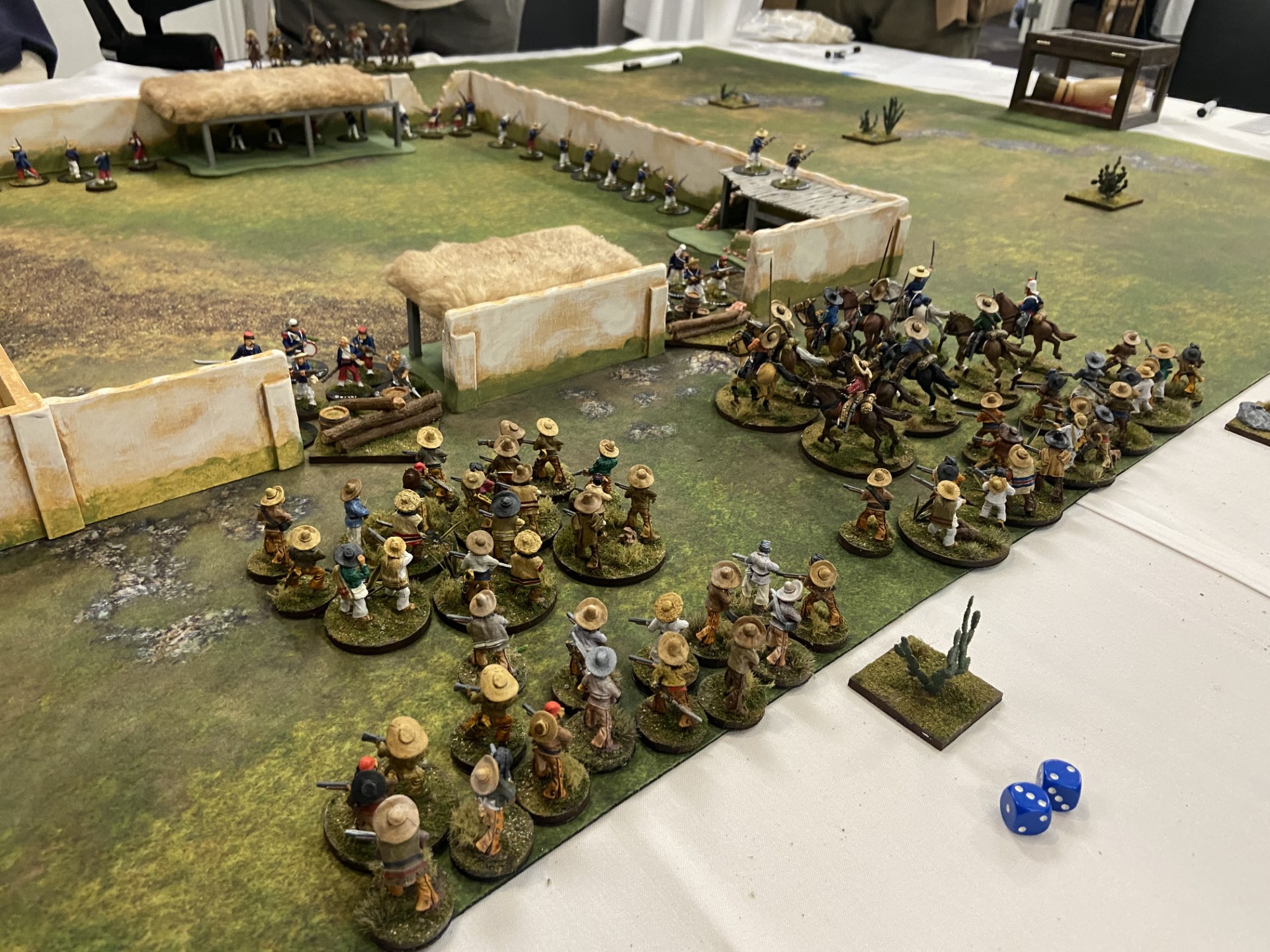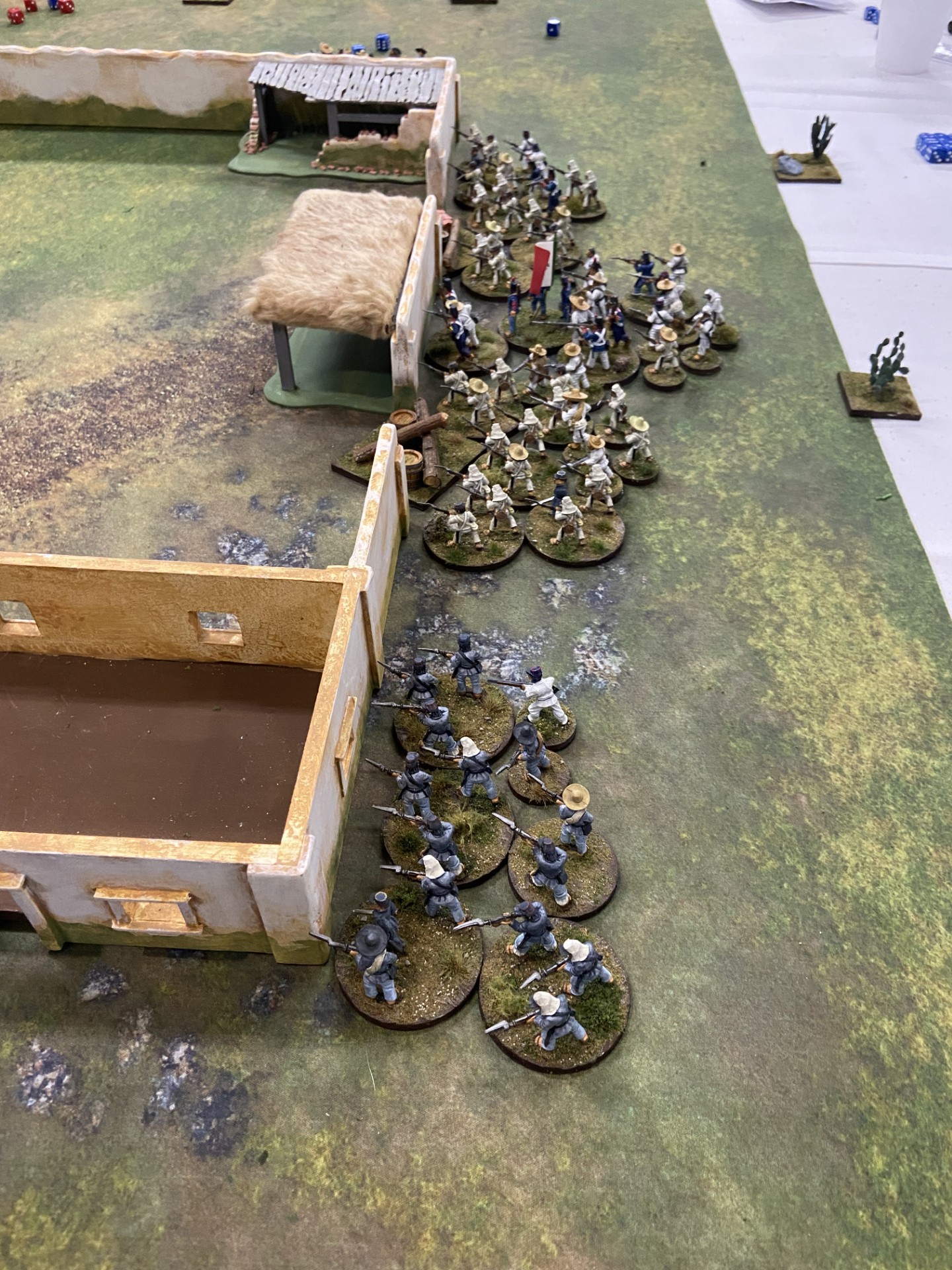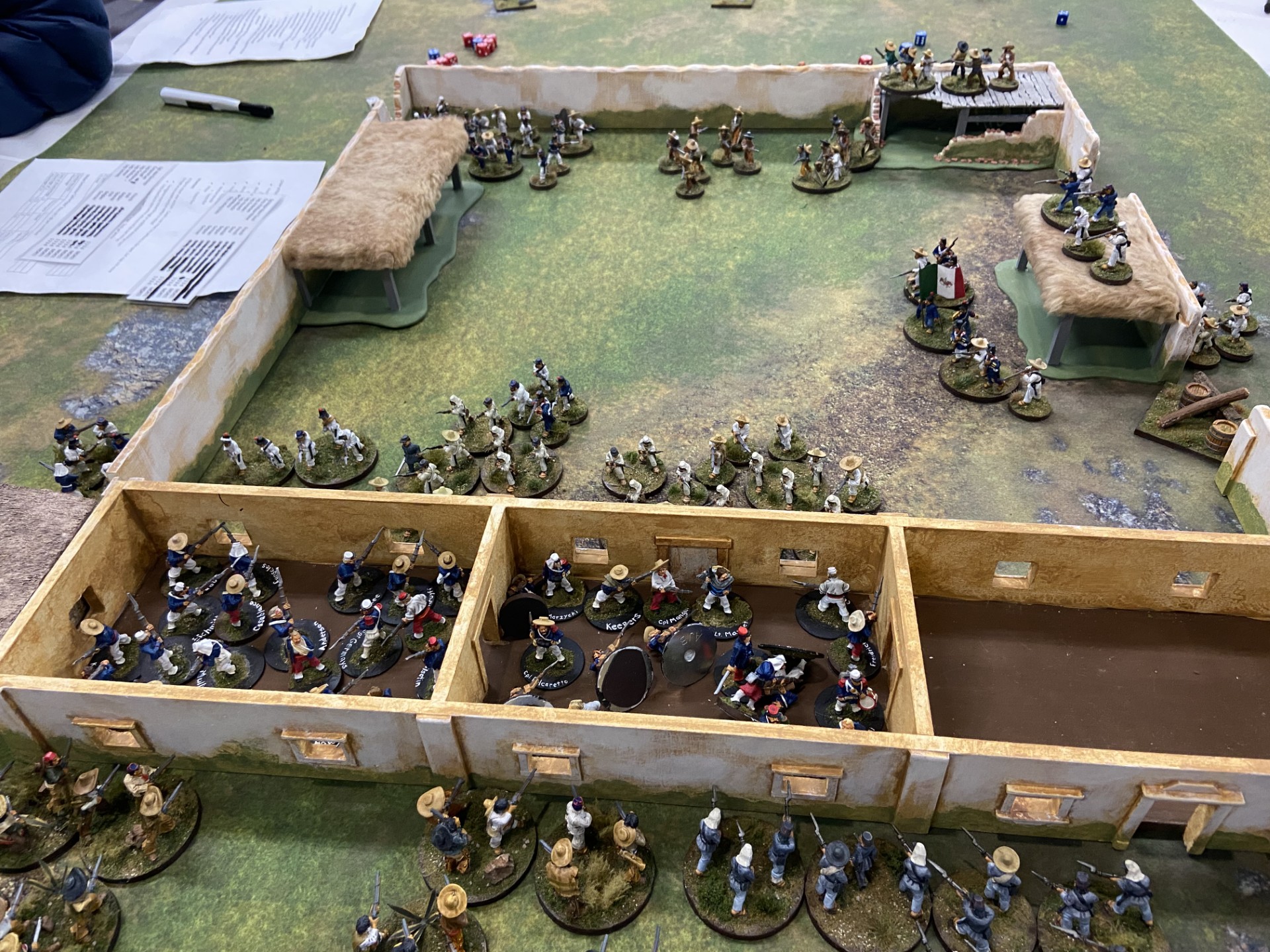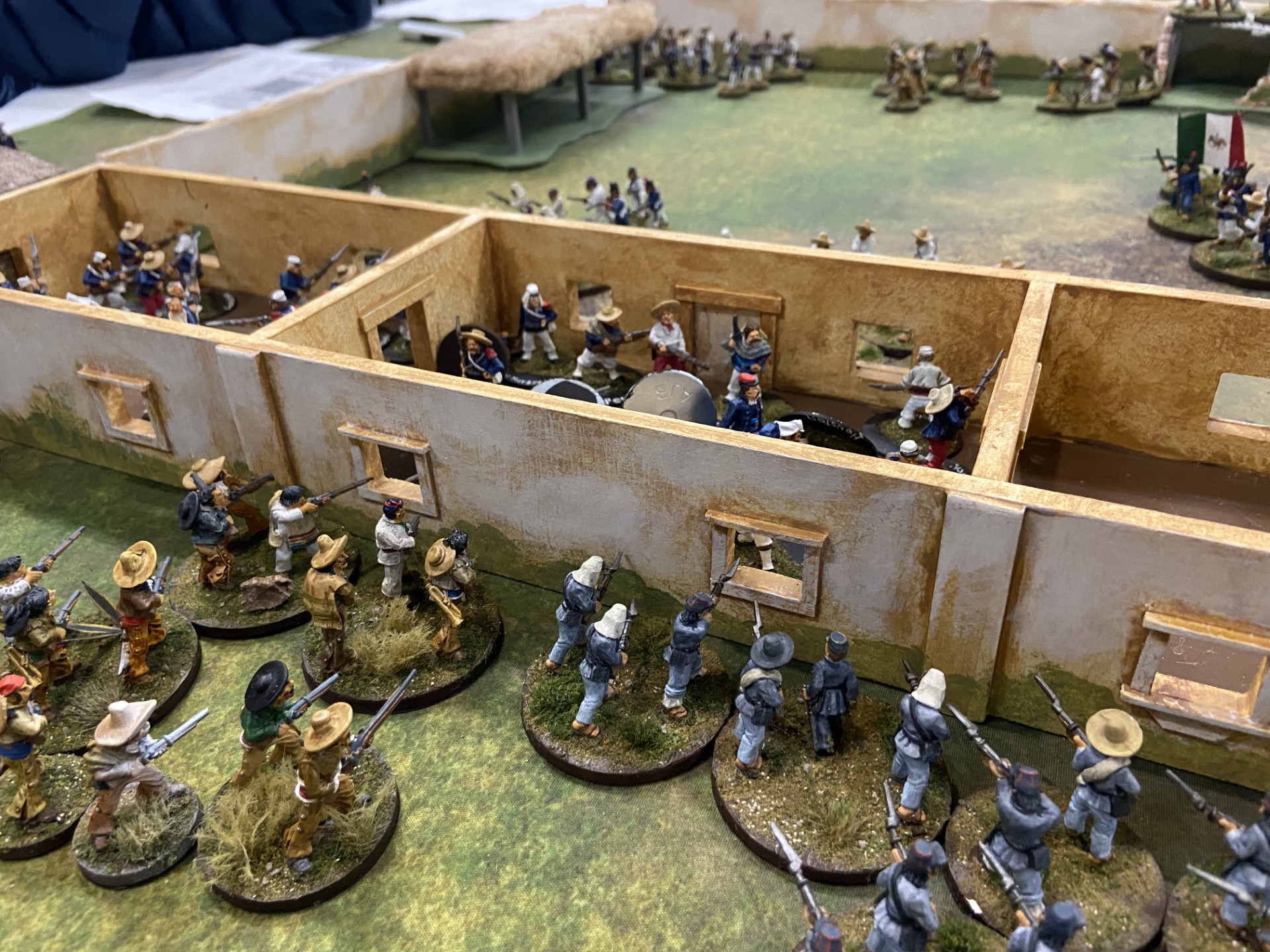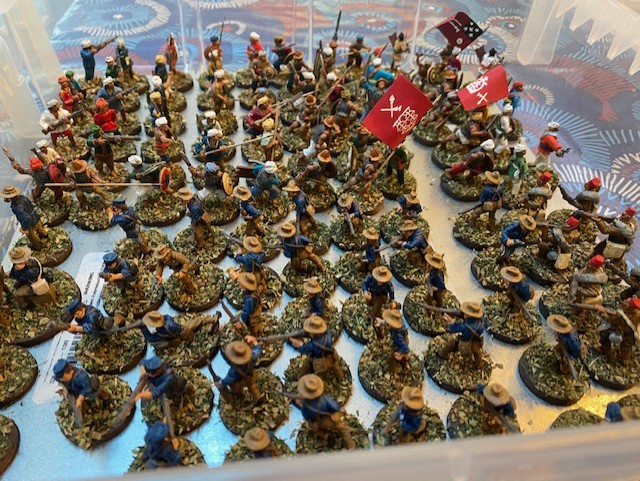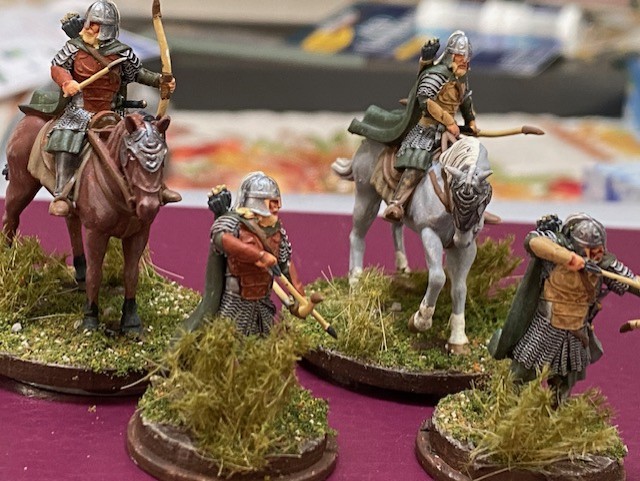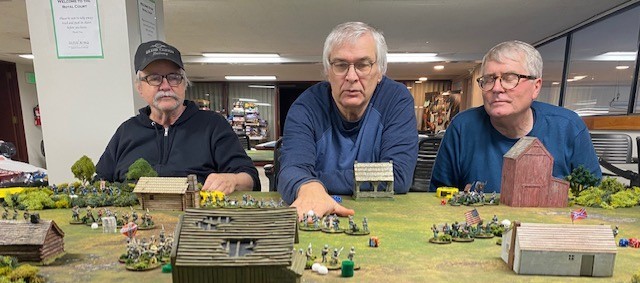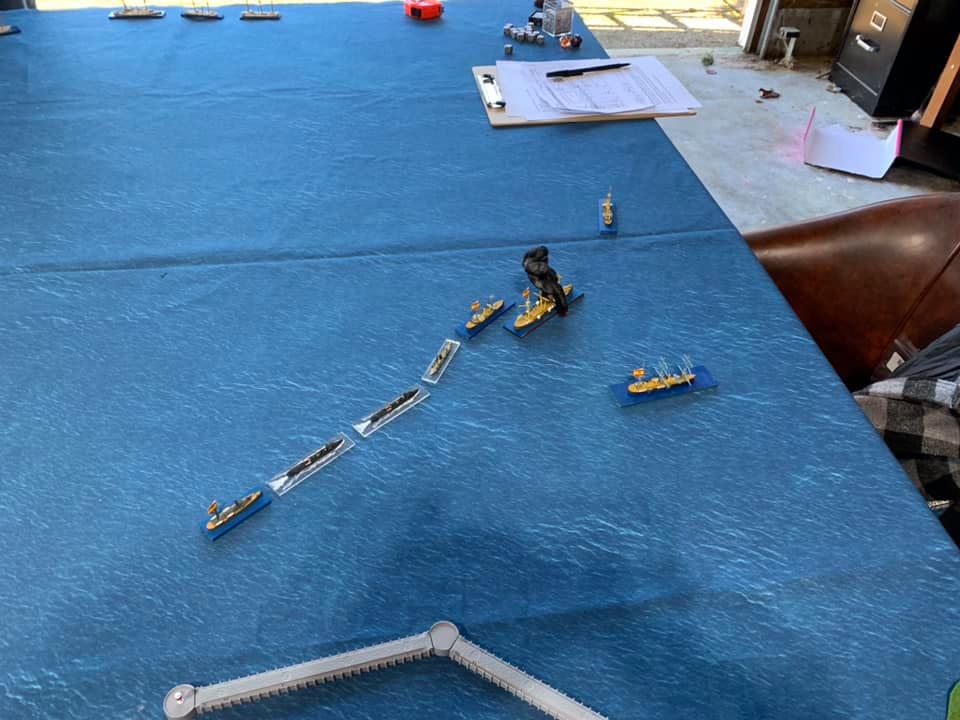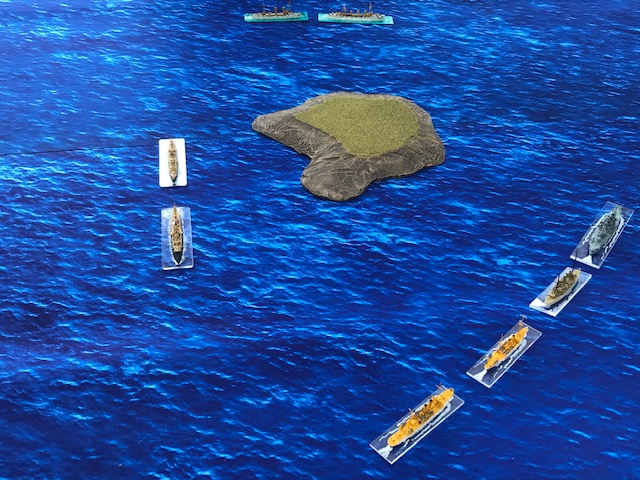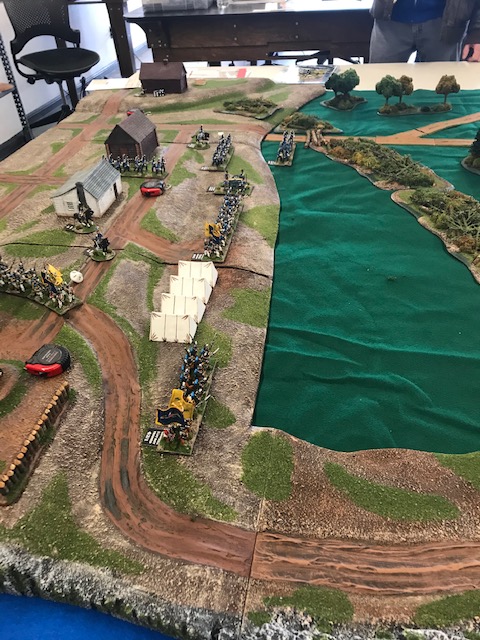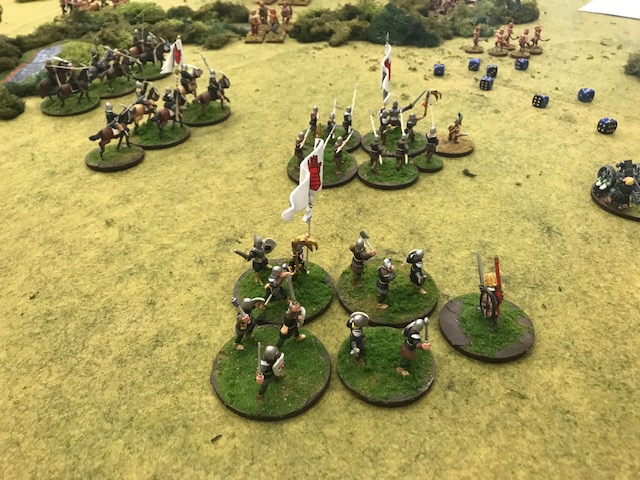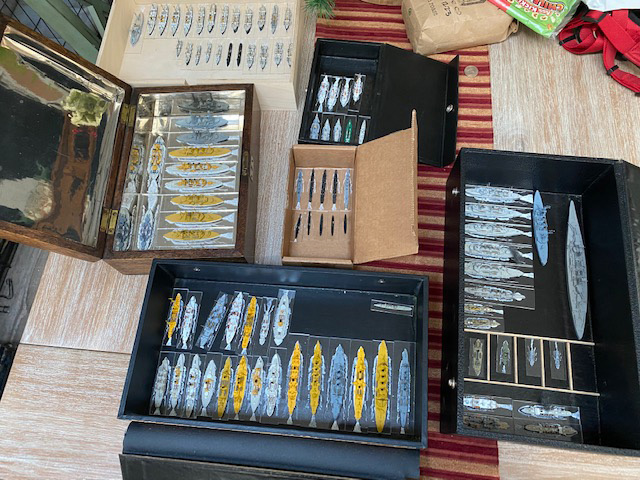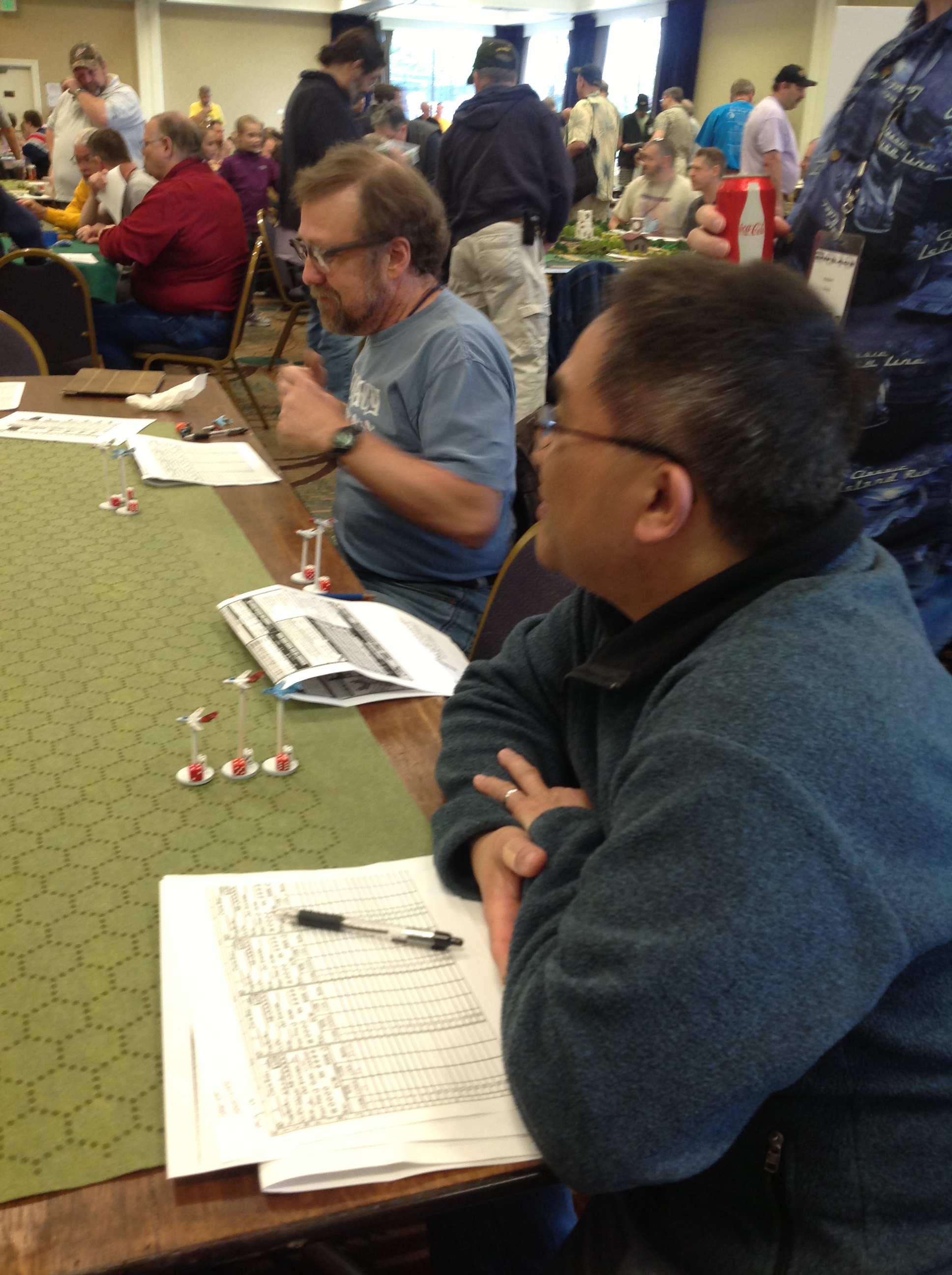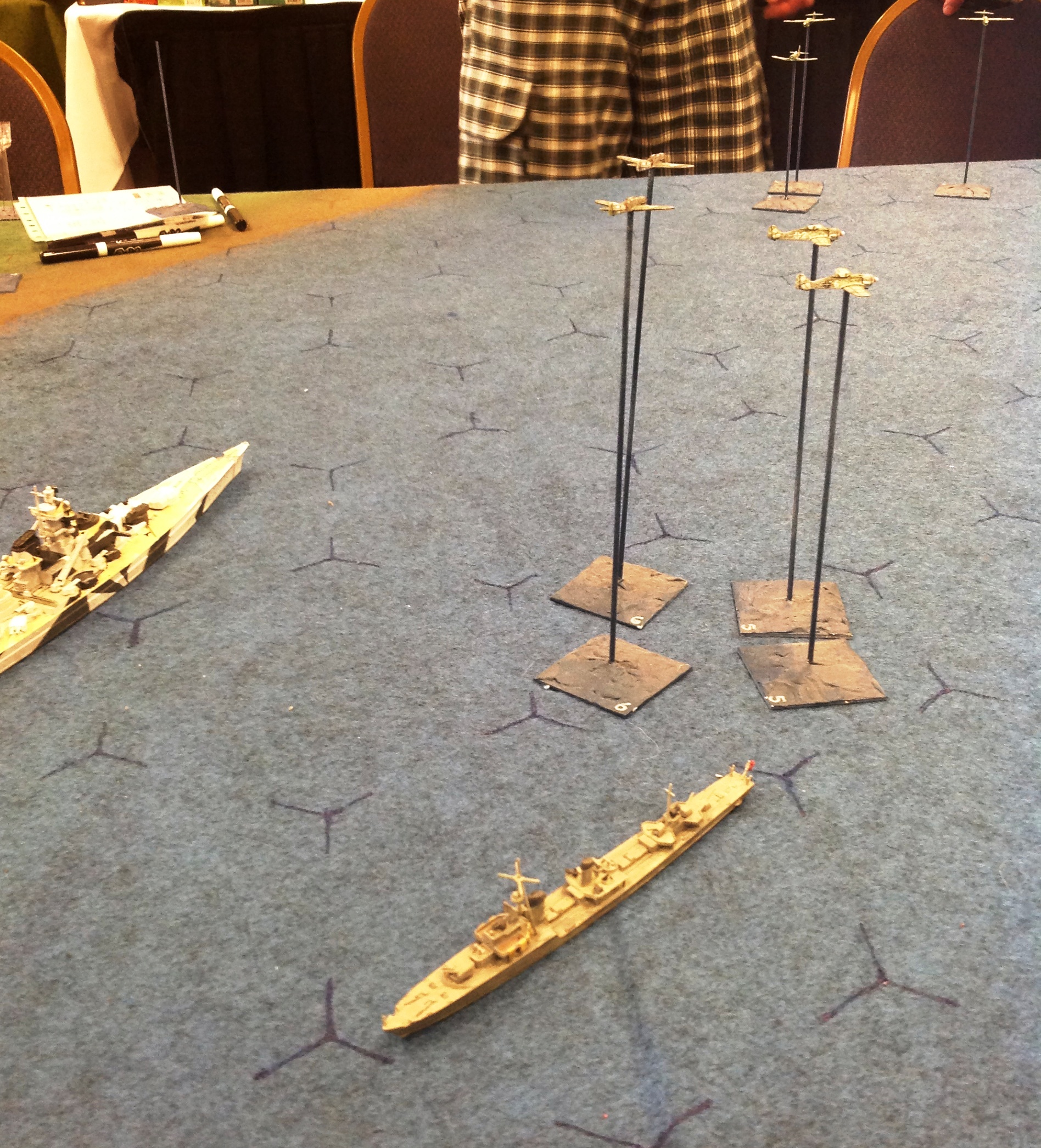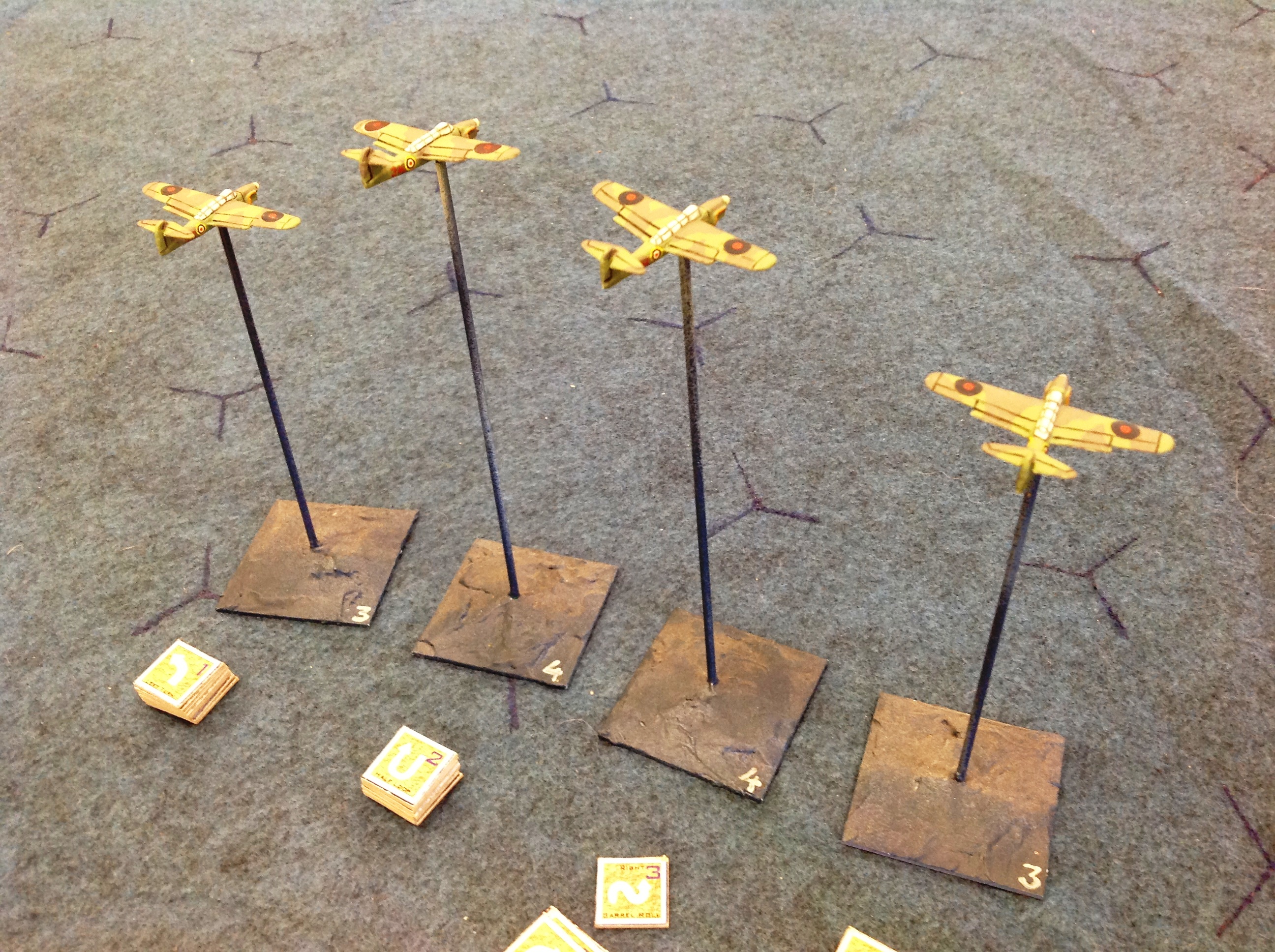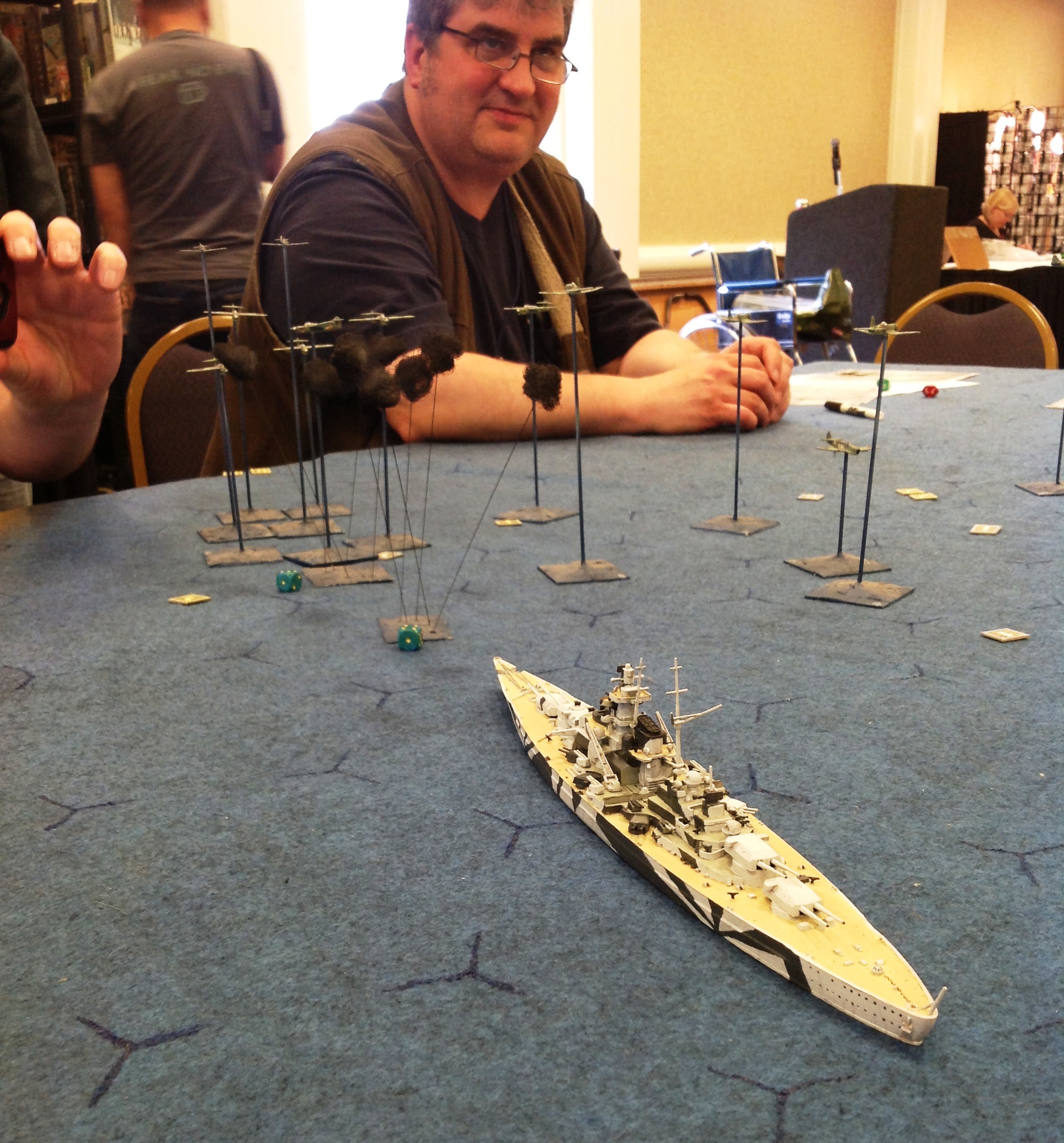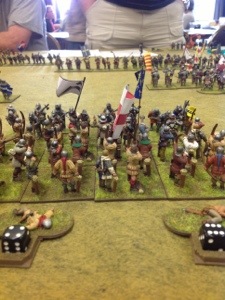
I used to think of myself as the well-rounded gamer. I had projects (so many projects) from many different periods. I had lots and lots of figures. I have something on the order of 1,000 painted airplanes. Maybe 600 ships from a variety of periods and more scales than I really wish to know about.
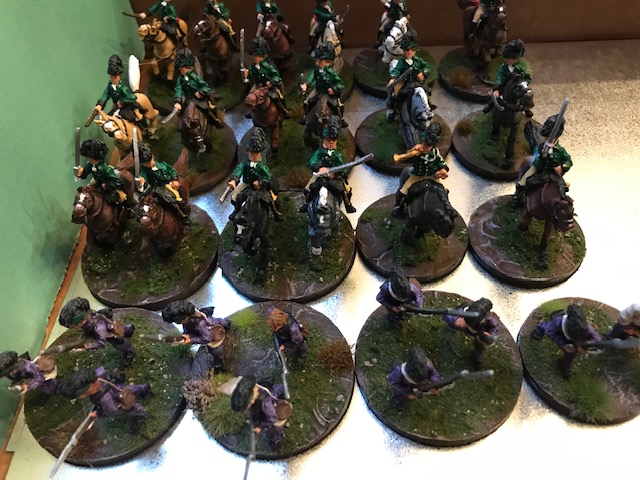
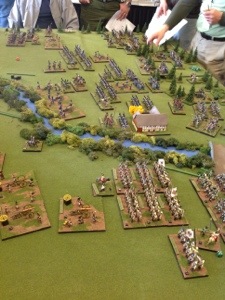
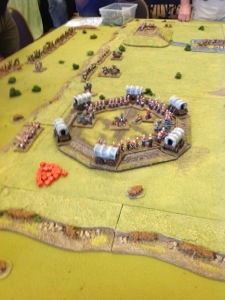
But then I realized that I wasn’t as well-rounded as I believed. I had pretty much given up massed battle games. Once upon a time I could do significant parts of the Battle of Waterloo, or Gettysburg, no more. My 15’s were largely gone. I was fighting small hypothetical actions with maybe company sized units. I was okay with that. I was using Daniel Mersey’s rules, which I like, and happily doing small actions. But no massed battle stuff. I wasn’t getting the pressure to do massed battle stuff either. It seems to me that massed battle projects, whether 30 Years War or Seven Years War, or Napoleonics or ACW really need to be a group project if one hopes to do sizable historical projects. Never felt the pressure from my game group to do those things. We did a lot of Daniel Mersey as a result. A lot of Lion Rampant. A lot of Rebels and Patriots, with some helpings of Pikeman’s Lament and The Men Who Would Be Kings.
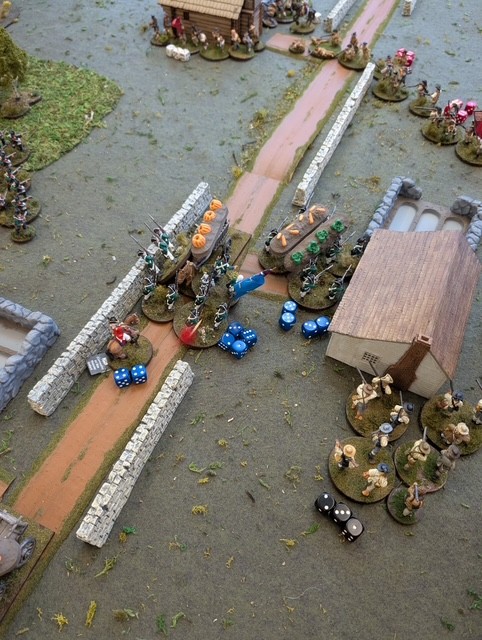
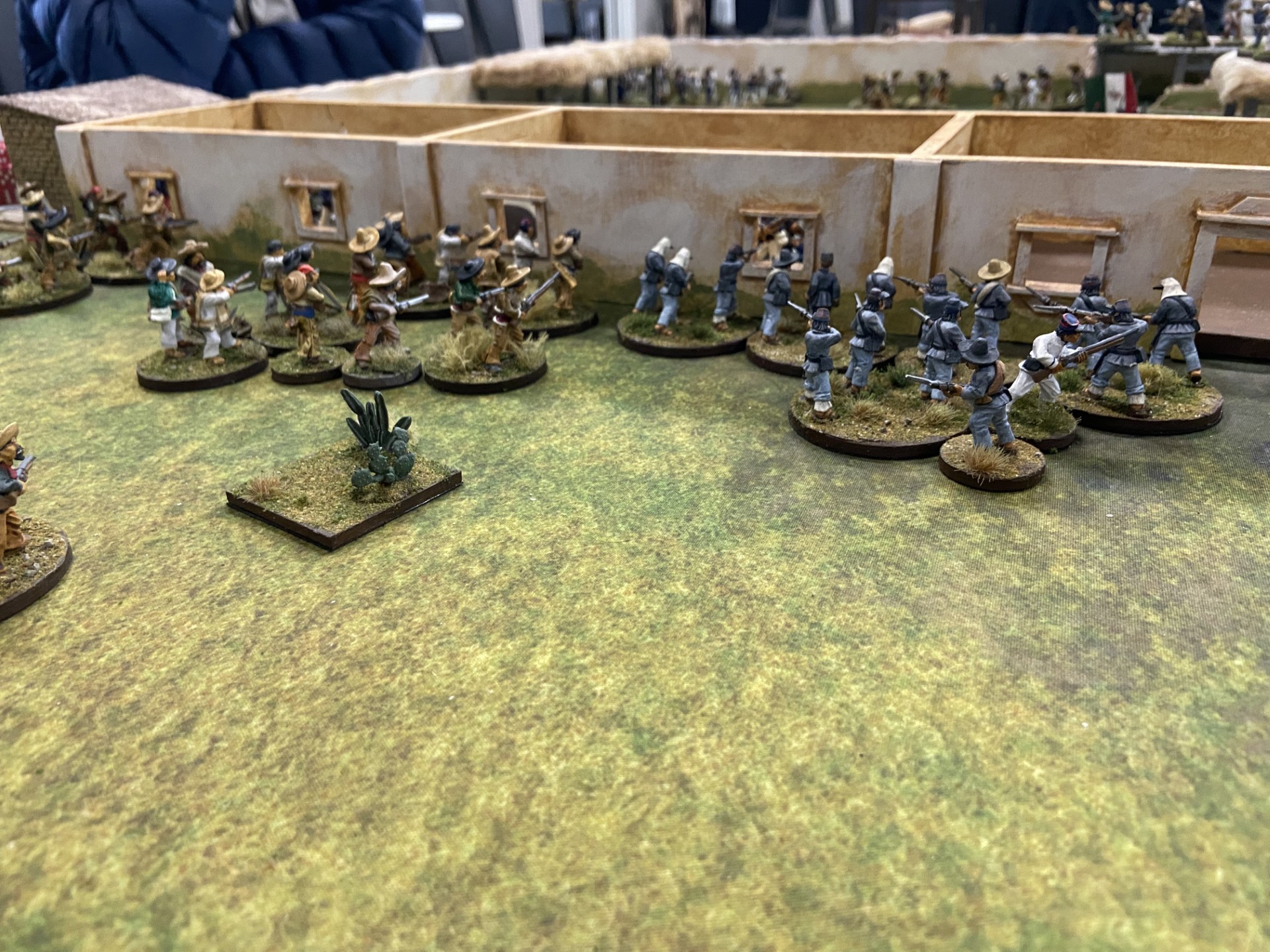
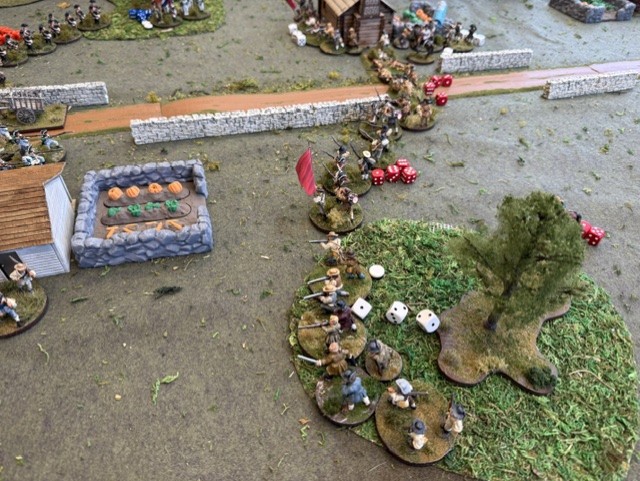
Occasionally we fell into the trap of doing some larger battles with semi skirmish units which isn’t always a great idea. R and P allows some formations and volley fire and we did some of that when we fought Resaca De Las Palmas, but that probably wasn’t a great idea. Companies and battalions (no matter how small) don’t behave the same. So I’ve focused a lot of my attention on smaller actions, often hypothetical based on historical possibility. And that’s actually been very satisfying. I developed my Mambi Justice game for the Cuban Revolution. I’ve run Drake’s Farm and Burning Hesselburg games for the American Revolution, and I have several ideas for the Spanish American War and Philippine-American War. Developing challenging scenarios has really become a thing for me. I like a little complexity, some victory conditions that may be challenging for the superior forces to achieve, even some that may create execution problems is really fun.
I was surprised when my friend Chris contacted me about play testing some rules he was working on. He has a number of published rules sets, and prefers massed battles to the semi-skirmish realms, asserting that the level often is just about blood and death. He was working on another massed battle system when he came up with a game engine he thought would be great for a semi-skirmish set of rules. He also thought it was something he could use to span the ages, but he had something he thought he could start with the horse and musket period, or something similar to the same time span as Rebels and Patriots.
It was an honor to be asked. I’ve never done any play-testing before. I have a number of friends who have including Chris himself who did a lot work with Arte Conliffe. I’ve never felt super adequate about these things, though I confess I’ve felt better about myself since my retirement and my gamer-as-a-second career lifestyle. The past few years I’ve tinkered with my own rules or modification of rules for my own games. It’s been nice to be included and I’ve really enjoyed working with Eric Donaldson and Steve Abarr as colleagues.
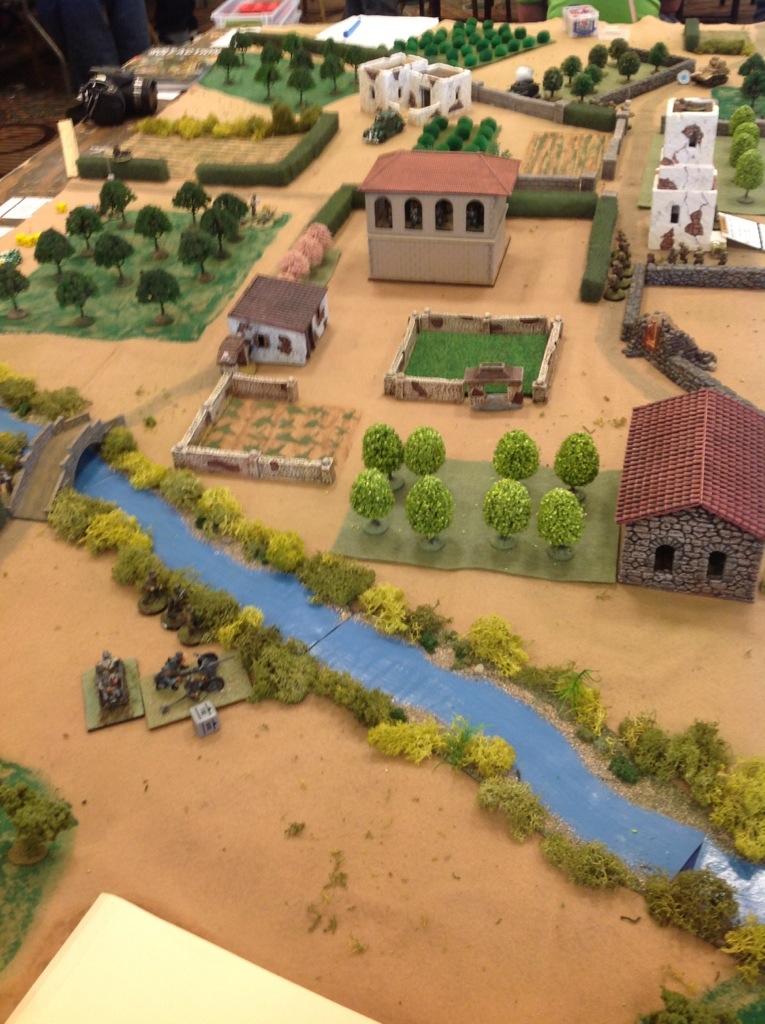
We in the Puget Sound area are perfect for the task because we play a lot of skirmish level games. Lots us are familiar with Daniel Mersey’s rules-activation based, clearly structured, relatively simple to play–easy to learn and easy to teach, that’s what I’m looking for. These rules, the Take Action rules, are in some respects even easier to play and learn, but with more choices offered each turn to the players, and more flexibility. Depending on a 12-figure unit’s quality, the player commits their activation die to rally, movement or shooting. Everybody is successful on a die roll of 4-6. Very few changes or modifiers. I confess I’ve never actually played a game, but I’ve run at least eight. I prefer these rules to Rebels and Patriots. However, it really rewards good scenario design. If four guys just show up with three units per guy and no clearly thought through plan, it will just be about killing guys and Chris’s concerns will be confirmed.
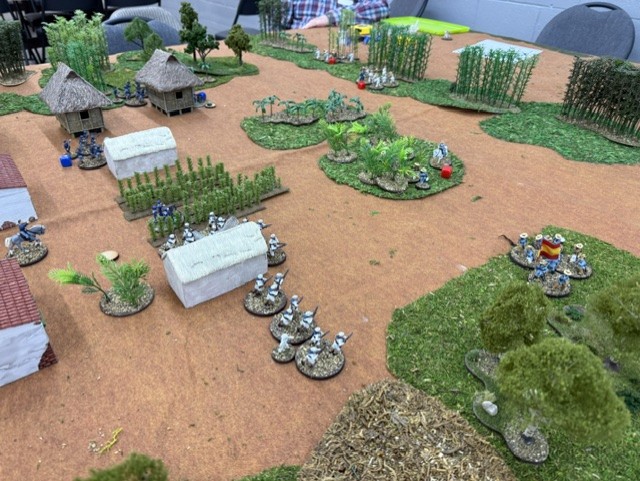
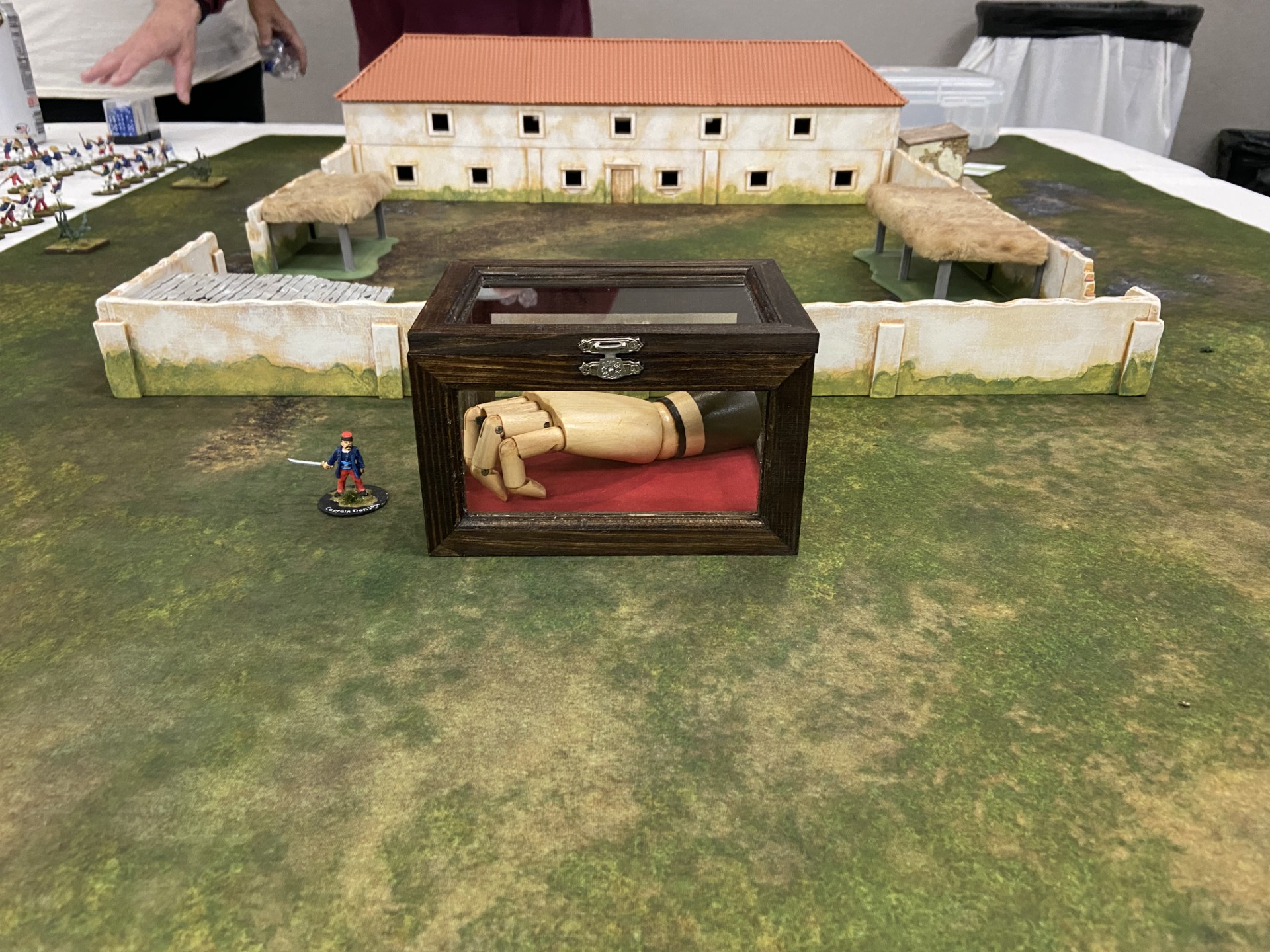
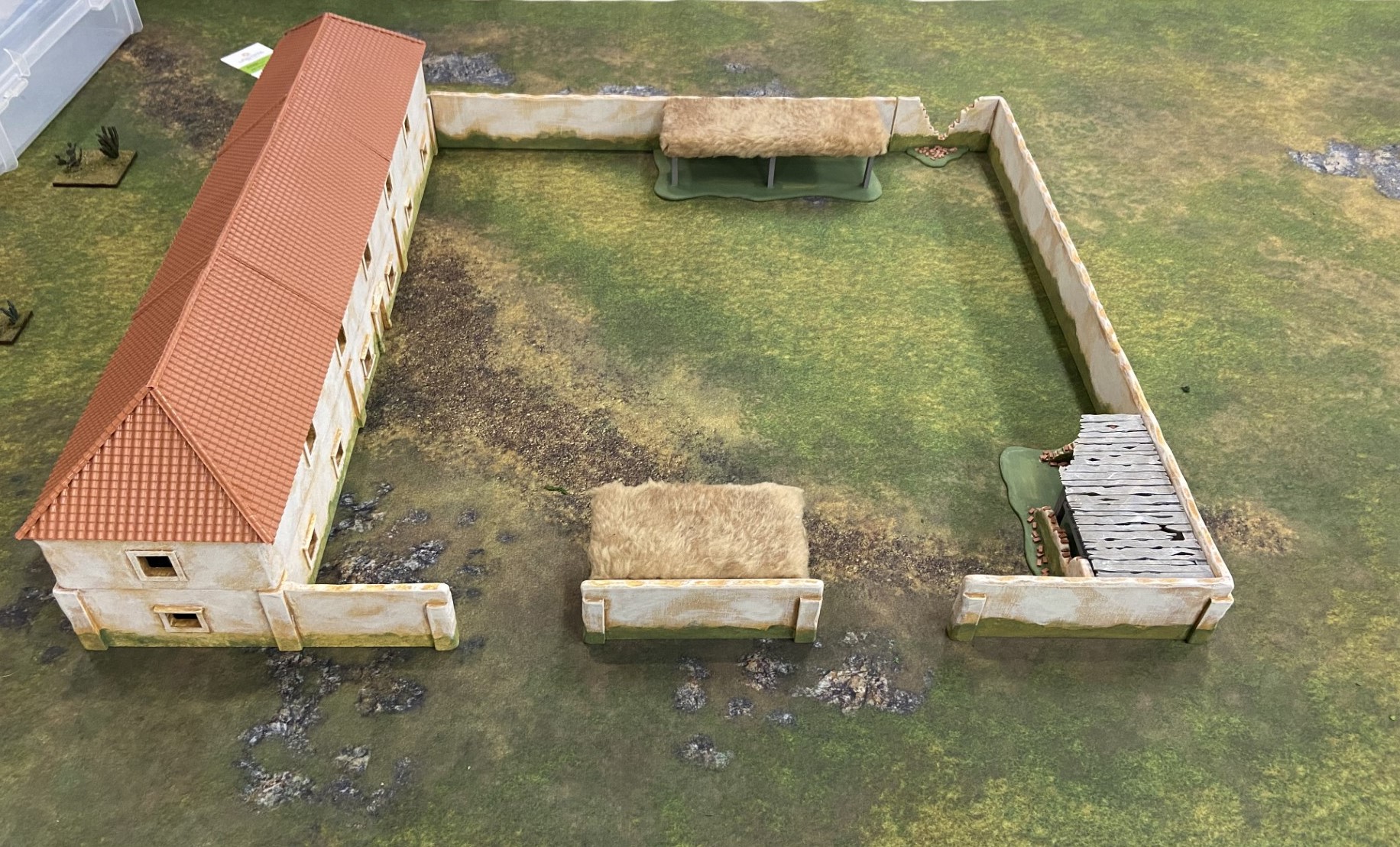
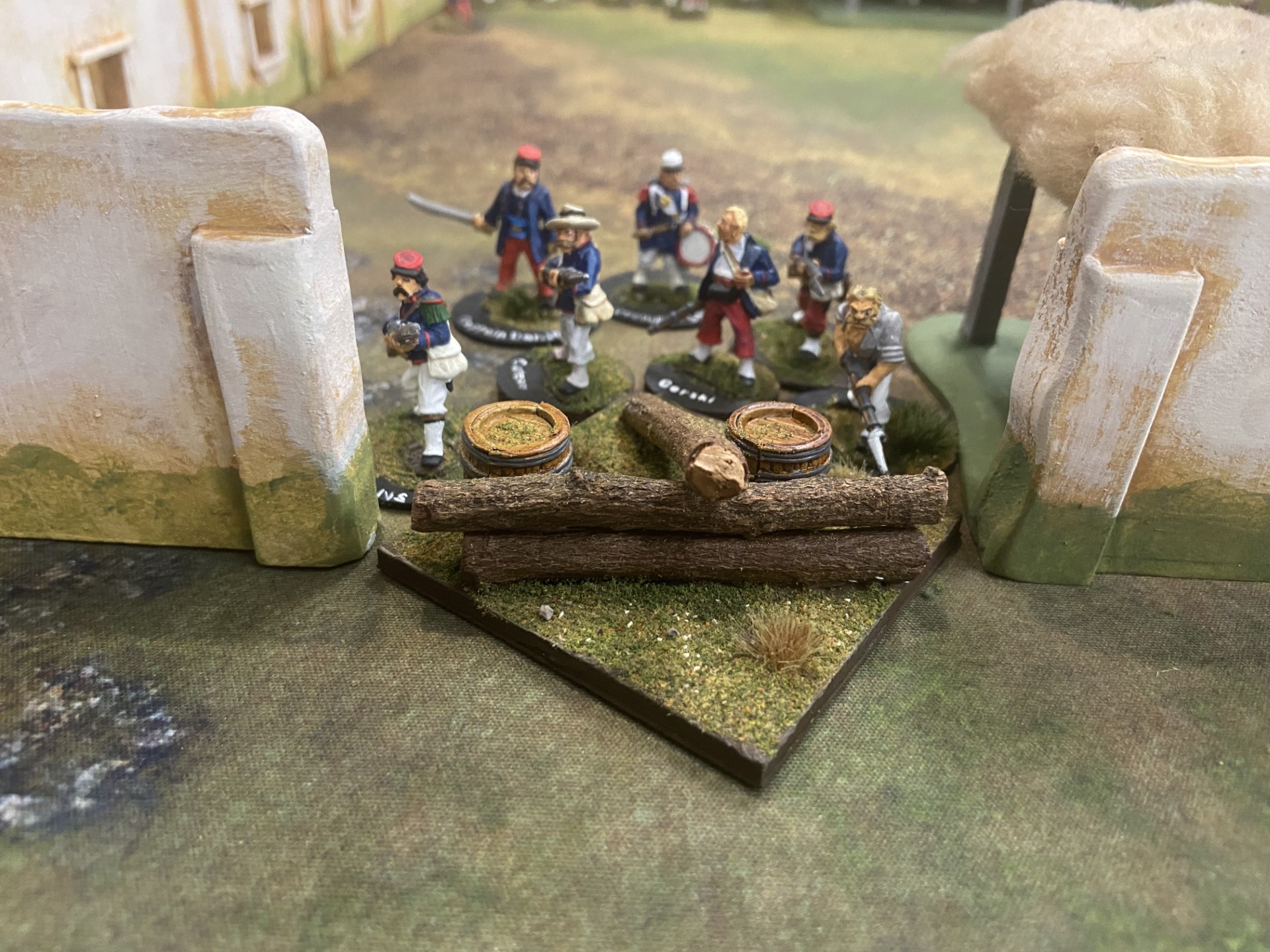
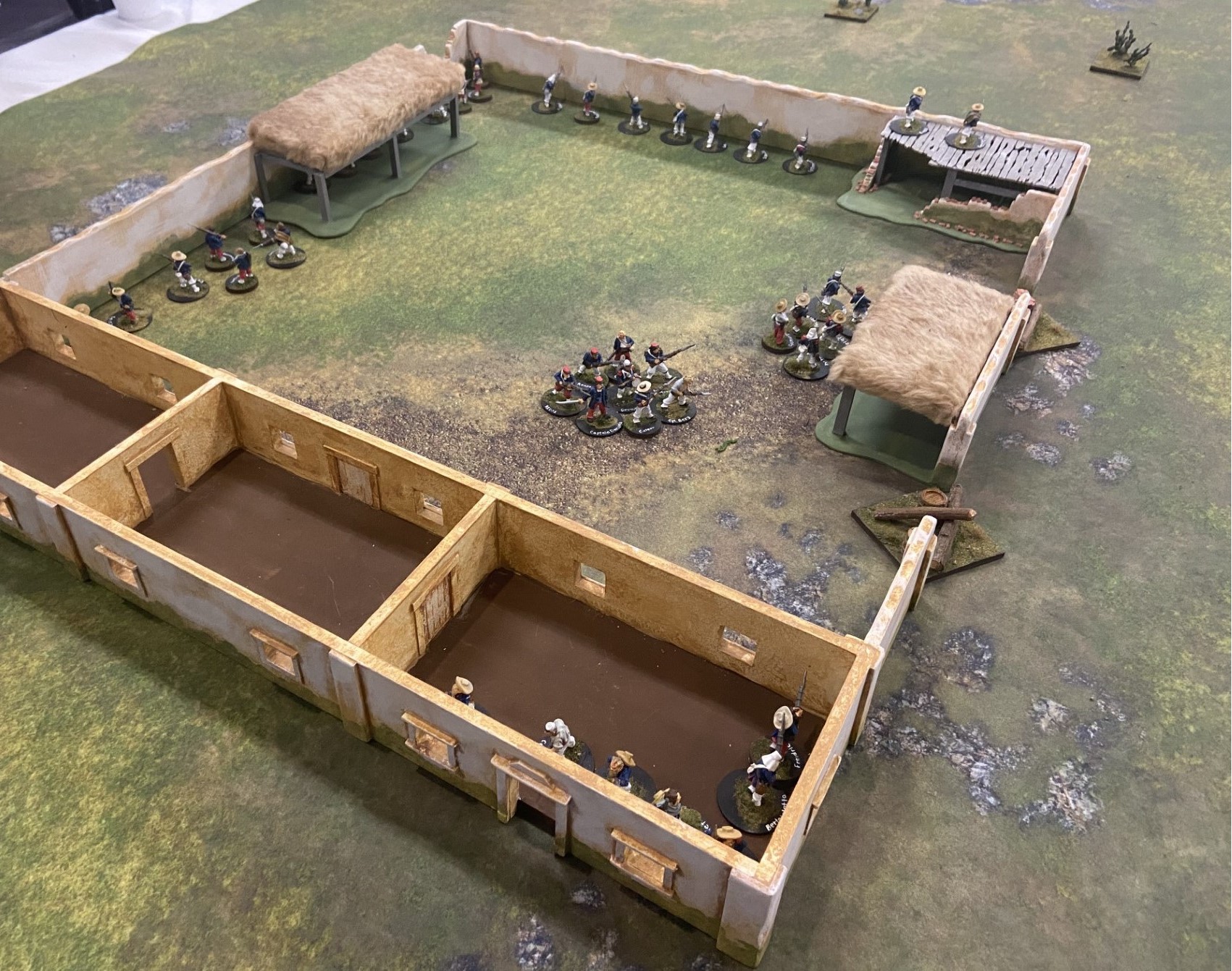
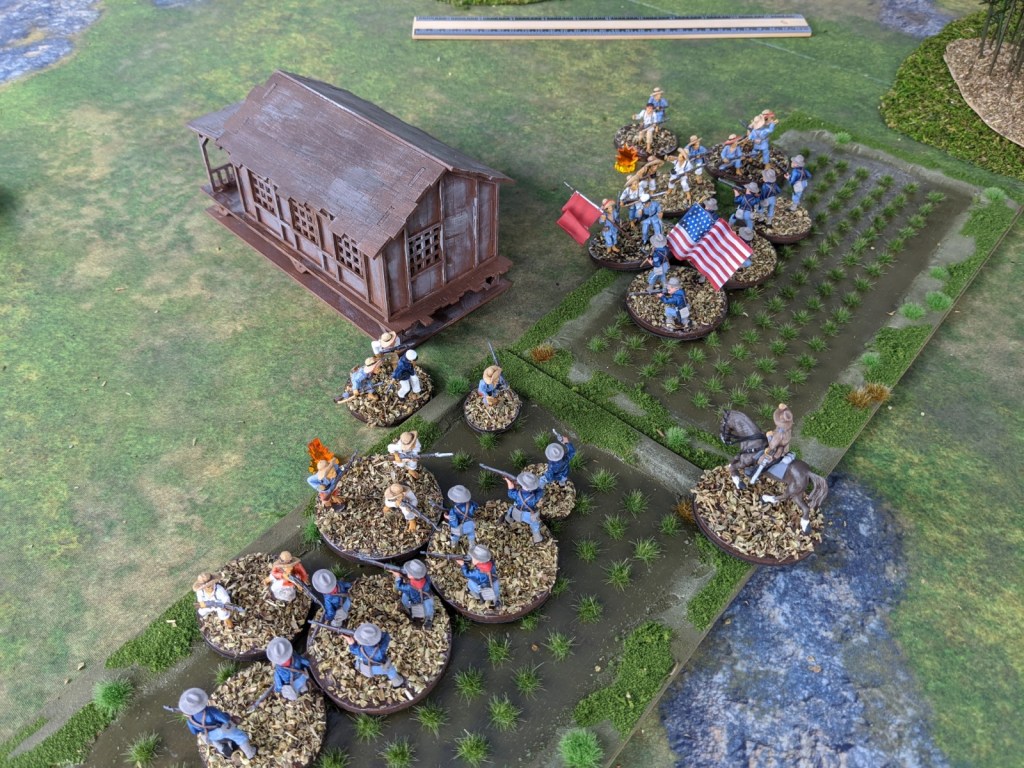
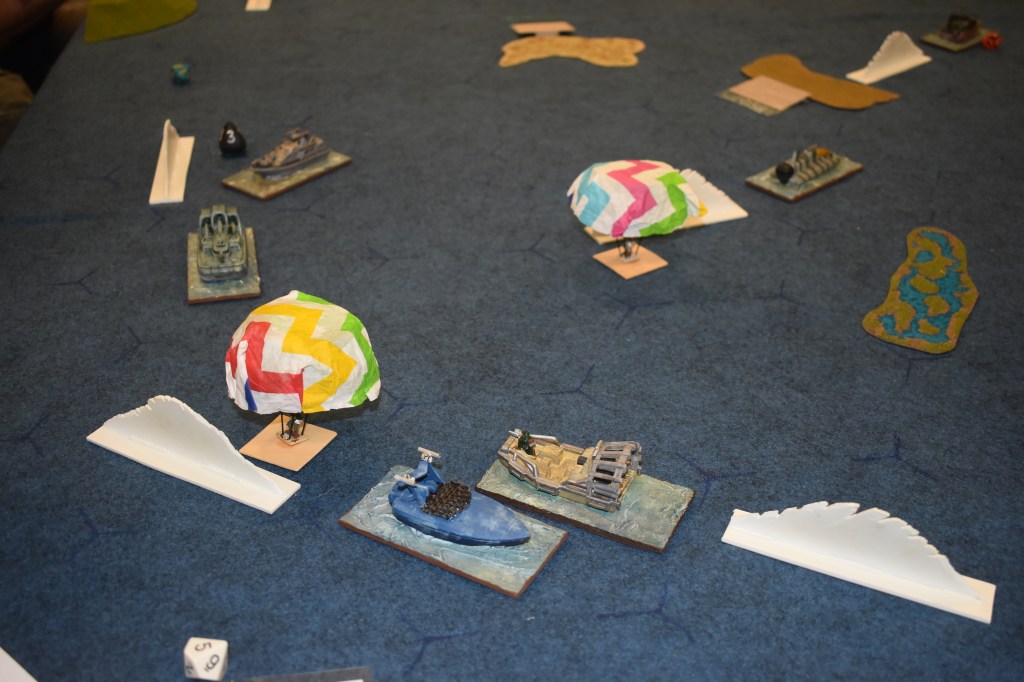
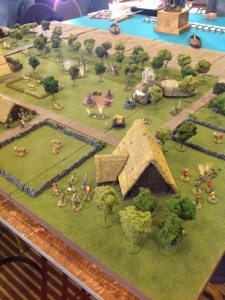
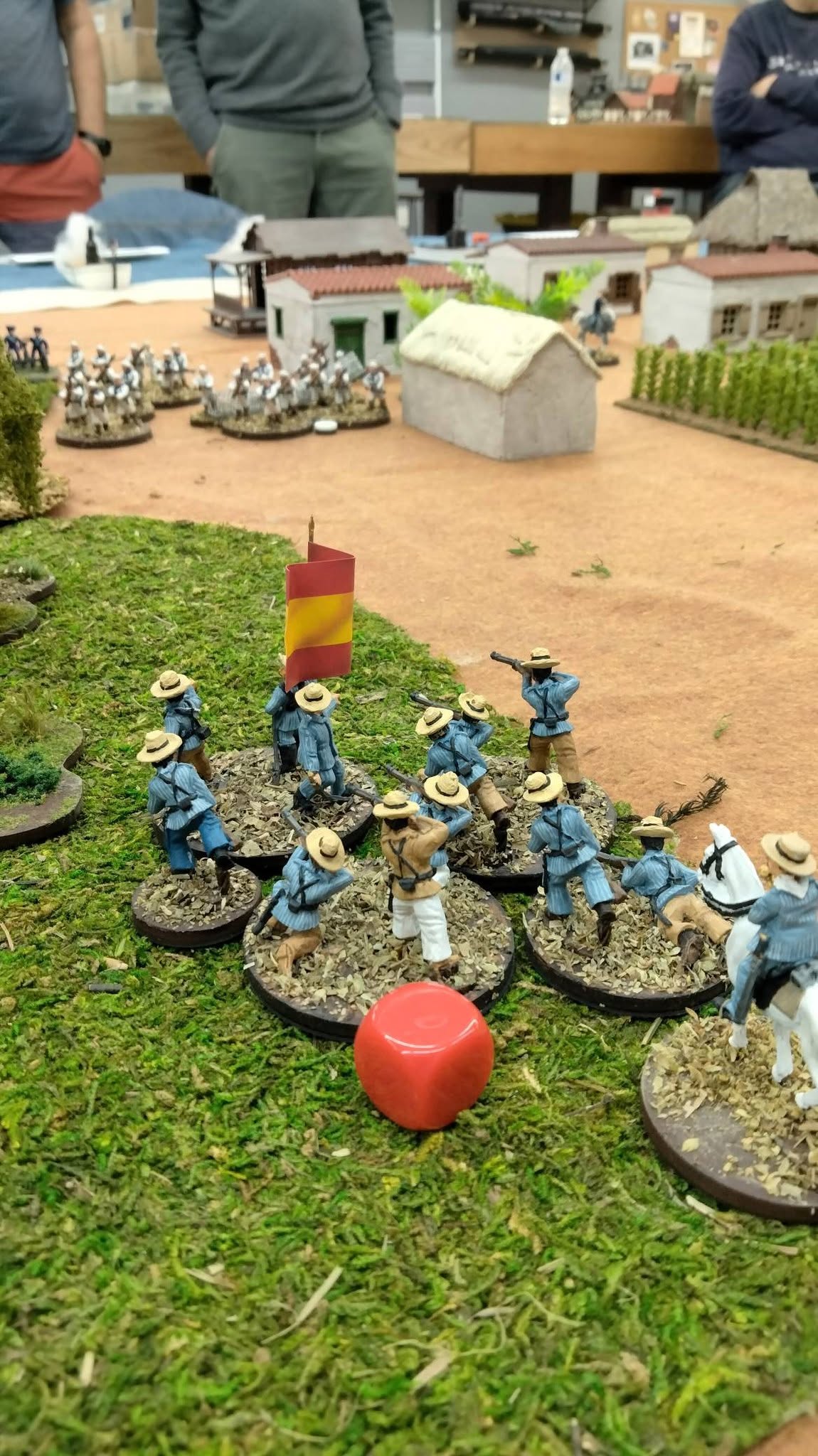
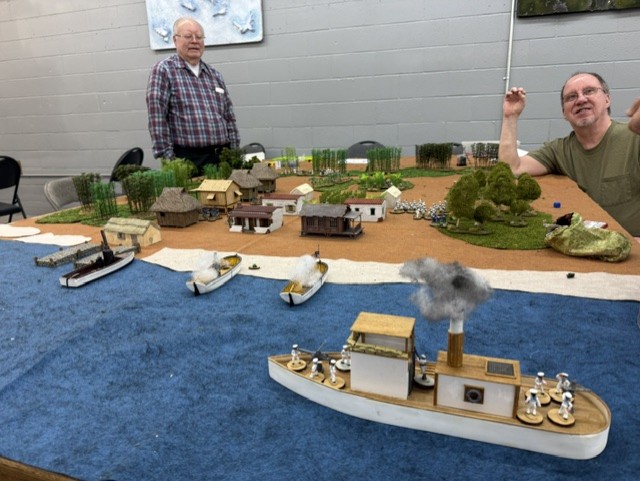
Two weeks ago I ran my first game of Tommy Atkins, a colonial set of rules that would parallel The Men Who Would be Kings. This variant hasn’t been played as much. My game was based on the American landings at Guanica, Puerto Rico during the Spanish-American War. It was again easy to play and easy to teach. I liked my scenario design, and my issues with the game had little to do with the rules and more to do with specific scenario design. I hope to run the game again at the end of the month. It has a gunboat. Everyone loves a game with a gunboat. Enfilade game.
I think working with Chris confirming his instincts and offering suggestions where needed is maybe the most fun I’ve ever had in the hobby. I feel like I’m in on something special and as I said, I am honored to be a part of it all.